By: Jacob Kim
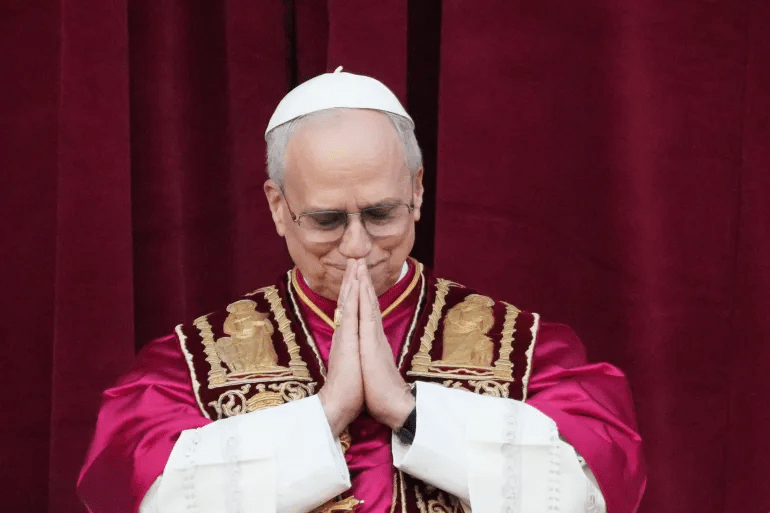
The election of Pope Leo XIV, formerly Cardinal Robert Prevost, marks a historic and potentially transformative moment not only for the Catholic Church’s 1.4 billion followers, but for the future of climate action worldwide. As the successor to Pope Francis — widely regarded as the greenest pope in modern history — Leo XIV inherits a moral platform with global reach and an environmental legacy that demands bold continuation.
Pope Francis’ landmark 2015 encyclical Laudato Si’ challenged humanity’s exploitative relationship with nature and called for a “global ecological conversion.” It became a moral touchstone for the Paris Agreement and inspired the Laudato Si’ Movement, which mobilizes Catholics around the world to combat climate change. His later encyclical, Laudate Deum, expressed disappointment in world leaders’ failure to follow through on climate promises, warning against a slide from pragmatism into defeatism.
Now, in Pope Leo XIV, the Church has chosen someone who appears willing to carry that torch forward. In a speech last November, Leo XIV emphasized the urgency of moving “from words to action” on climate change and rejected a tyrannical view of humanity’s dominion over the Earth. Instead, he advocated for a reciprocal relationship with nature — one rooted in stewardship, not exploitation. His remarks align closely with Francis’ theology of ecological responsibility.
Importantly, Pope Leo XIV’s dual American and Peruvian heritage brings symbolic and practical weight to his leadership. Peru is one of the countries most vulnerable to climate disruptions, including glacial melt and deforestation in the Amazon. As climate justice becomes increasingly central to environmental discourse, a pope with ties to a nation on the frontlines of the crisis could shift global attention toward those bearing the brunt of climate inaction.
The Vatican under Pope Francis made strides in sustainability, installing solar panels, adopting electric vehicles, and launching a plan for an agrivoltaic solar array capable of powering the entire city-state. The introduction of the first all-electric Popemobile was more than a technological update — it was a public symbol of a Church walking the talk. Pope Leo XIV now has the opportunity, and responsibility, to deepen this commitment.
With populism and climate denial on the rise, especially in countries like the United States where former leaders like Donald Trump have undone key environmental regulations, Leo XIV’s voice could be a powerful counterweight. He can remind world leaders that environmental destruction is not just a political issue but a moral failing — one that disproportionately harms the poor and marginalized.
As one of the most influential figures on Earth, Pope Leo XIV’s words and actions will echo far beyond Vatican walls. Whether he will rise to the challenge remains to be seen. But for now, the world has reason to hope that the spiritual successor to Laudato Si’ will be more than a steward of legacy — he may be a catalyst for action.
 Energy Outlook
Leave a comment