By: Jacob Kim
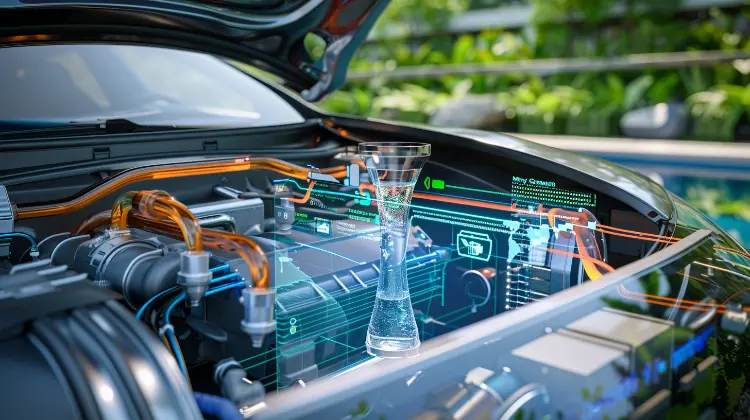
In a significant leap toward sustainable transportation, the GAC Group has unveiled a groundbreaking hydrogen fuel cell engine capable of delivering 540 horsepower and operating at a staggering 30,000 RPM. This innovation represents a new frontier in clean energy vehicles—one that challenges not only the dominance of gasoline-powered engines but also the momentum of electric vehicles led by companies like Tesla.
Unlike conventional internal combustion engines, this new system burns hydrogen—derived from water—rather than gasoline. Through an advanced 140 kW hydrogen fuel cell stack, the vehicle achieves high torque, rapid acceleration, and seamless gear transitions without emitting any pollutants. The only by-product? Water vapor.
This technology redefines the concept of eco-performance. With zero emissions, it outpaces many electric vehicles in terms of power and sustainability. While electric vehicles require long charging times and carry concerns about battery disposal, hydrogen fuel cell vehicles can be refueled in minutes, mimicking the convenience of traditional gas stations.
The environmental benefits are equally impressive. When hydrogen is produced through electrolysis using renewable energy sources like wind or solar power, the entire fuel cycle becomes virtually carbon-neutral. This allows hydrogen-powered vehicles to offer cradle-to-grave sustainability—something both fossil fuels and lithium-ion batteries struggle to achieve.
However, challenges remain. Infrastructure for hydrogen refueling is still sparse and costly to build, and the production of green hydrogen at scale continues to face economic hurdles. Despite these obstacles, GAC’s hydrogen breakthrough marks a pivotal step in redefining mobility—potentially igniting a “silent revolution” in clean automotive power.
In essence, water-powered vehicles—powered by hydrogen fuel cells—may very well be the “next hydrogen,” paving the road for a cleaner, faster, and more efficient future in transportation.
 Energy Outlook
Leave a comment