By: Jacob Kim
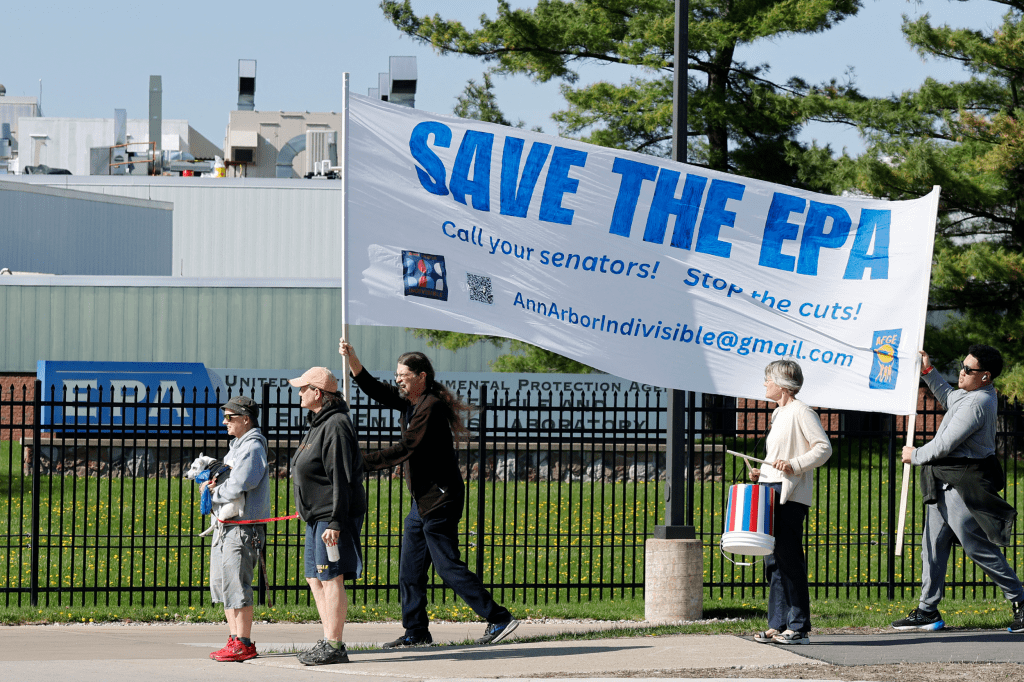
The EPA’s decision to cancel 781 environmental justice grants—nearly double the number previously acknowledged—is a devastating blow to America’s climate resilience and a stunning reversal of progress in environmental equity. These grants were designed not as fringe programs, but as essential tools to help frontline communities cope with the accelerating impacts of climate change. Projects included sealing homes against wildfire smoke in Washington, fortifying Alaska Native villages against rising seas, and reducing asthma-inducing pollutants in high-risk counties like Hampden, Massachusetts. Now, all of that funding—more than $1.5 billion—is being clawed back by an administration that seems determined to sabotage community-based climate action.
The abrupt cancellation, orchestrated by the Trump administration, targets grants issued under the Biden-era 2022 climate law and the 2021 bipartisan infrastructure package—both of which were historic, once-in-a-generation investments aimed at transforming the nation’s energy system and protecting vulnerable populations. The EPA has claimed it conducted a case-by-case review of each grant, but legal experts and nonprofit leaders have cast serious doubt on that assertion. Many grant recipients had not even received formal termination notices until after a federal judge had already ordered the EPA to unfreeze the funding, calling the agency’s freeze “arbitrary and capricious.”
This move goes beyond bureaucratic rollback—it’s a targeted attack on the most vulnerable. These grants were earmarked for communities already suffering from environmental neglect: places with polluted air, unsafe water, and aging infrastructure, where climate risks intersect with poverty and racial inequality. By revoking this support, the administration is not just stalling progress; it’s actively compounding environmental injustice. The EPA’s Office of Environmental Justice and External Civil Rights—now slated for dismantling—was the only federal body explicitly tasked with ensuring that underserved communities weren’t left behind in the clean energy transition.
The long-term consequences are alarming. Without this funding, hundreds of local governments, nonprofits, and grassroots organizations will be forced to abandon projects that were already in motion, wasting time, money, and momentum. The loss of these initiatives will mean more illness, more displacement, and more preventable deaths, especially as the climate crisis intensifies.
As sea levels rise and temperatures climb, the communities most in need of protection are being stripped of the tools that could have safeguarded their futures. This is not just bad policy—it is climate sabotage. It reveals a dangerous disregard for public health, legal process, and the basic premise that every American deserves a clean, safe place to live. Climate change is not a distant threat. It is here, now—and this action ensures that many of the nation’s most at-risk people will face it without help, without protection, and without justice.
 Energy Outlook
Leave a comment