By: Jacob Kim
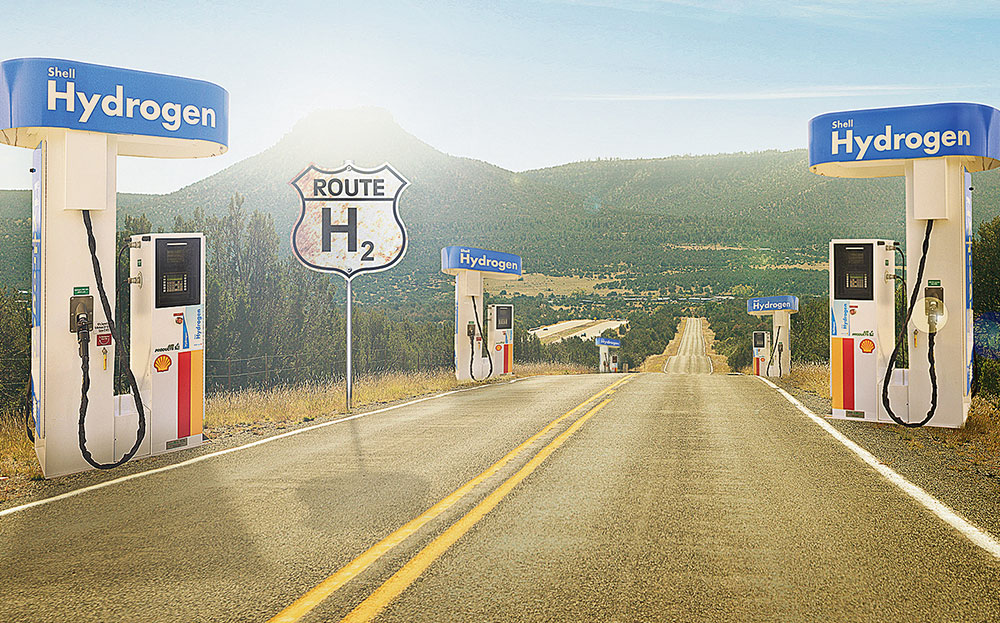
California is building something big—quietly, steadily, and with unmistakable ambition. Behind the headlines about EVs and solar farms lies a less flashy but equally critical revolution: the hydrogen highway. The California Energy Commission has conditionally approved a new round of grants aimed at supercharging the state’s hydrogen fueling network. With support for companies like FirstElement Fuel, Shell Hydrogen, and Iwatani Corp., this funding will go toward constructing new stations and equipping existing gas stations with hydrogen pumps. California already leads the nation with the only functioning hydrogen fueling network in the U.S., and this next phase of development could be the push that takes it from niche to necessary.
Right now, the hydrogen highway includes 42 operational stations, with 15 more on the way, serving drivers from San Diego to San Francisco and all the way up to Lake Tahoe. It’s a powerful start—but still not enough. In several regions, there’s only one hydrogen station for miles, leaving fuel cell electric vehicle (FCEV) drivers with limited options. This grant is expected to help expand the network past 100 stations, inching closer to the state’s official goal of 200, a target established by a 2018 executive order from then-Governor Jerry Brown. With Governor Newsom’s subsequent mandate to phase out new gasoline-powered passenger vehicles by 2035, the urgency for infrastructure like this has never been clearer.
But California isn’t just investing in where hydrogen gets used—it’s also tackling where it comes from. In the Mojave Desert, Cadiz, Inc. and global renewable energy leader RIC Energy have teamed up to create what will be California’s largest green hydrogen production facility. Built at Cadiz Ranch and powered entirely by solar energy, the plant aims to produce 50,000 kilograms of green hydrogen per day. Its off-grid design, access to sustainable water sources, and proximity to critical infrastructure like rail and pipeline systems makes this more than just a regional achievement—it’s a model for clean energy hubs across the country.
This isn’t happening in isolation. California is one of the recipients of the Department of Energy’s H2Hubs initiative, with $1.2 billion in federal funding awarded under the ARCHES coalition to scale up renewable hydrogen infrastructure. The Cadiz project alone promises to generate thousands of green jobs while cutting deep into fossil fuel reliance. And it isn’t just about cars—hydrogen is increasingly being seen as a viable solution for long-haul trucking, heavy industry, and even aviation. The technology is clean, scalable, and—when produced using renewables—virtually emissions-free.
The $70 million now being funneled into hydrogen stations is just one piece of a broader clean transportation blueprint. California’s plans include massive investments in electric vehicle charging infrastructure and low-carbon fuel production. With a goal of putting 1.5 million zero-emission vehicles on the road, the state is making clear that clean mobility isn’t a fantasy—it’s policy.
And hydrogen, for all its challenges, may be the secret weapon in that strategy. Fuel cell vehicles already match the range of gasoline cars, with refueling times of just a few minutes. New hydrogen engines, reportedly up to 1,000 times more efficient than current fuel, are in testing. While hydrogen still faces skepticism around cost, infrastructure, and production methods, California’s holistic approach—investing in production, distribution, and policy at once—is showing the rest of the country how a hydrogen economy can be built from the ground up.
California’s hydrogen highway isn’t just a network of fueling stations. It’s a statement about what’s possible when climate policy, clean technology, and public investment align. In a world grappling with climate deadlines and energy insecurity, hydrogen may be small—but its role in a zero-emissions future is anything but.
Sources
https://www.ecoticias.com/en/largest-deployment-hydrogen-highway/13263/
 Energy Outlook
Leave a comment