By: Jacob Kim
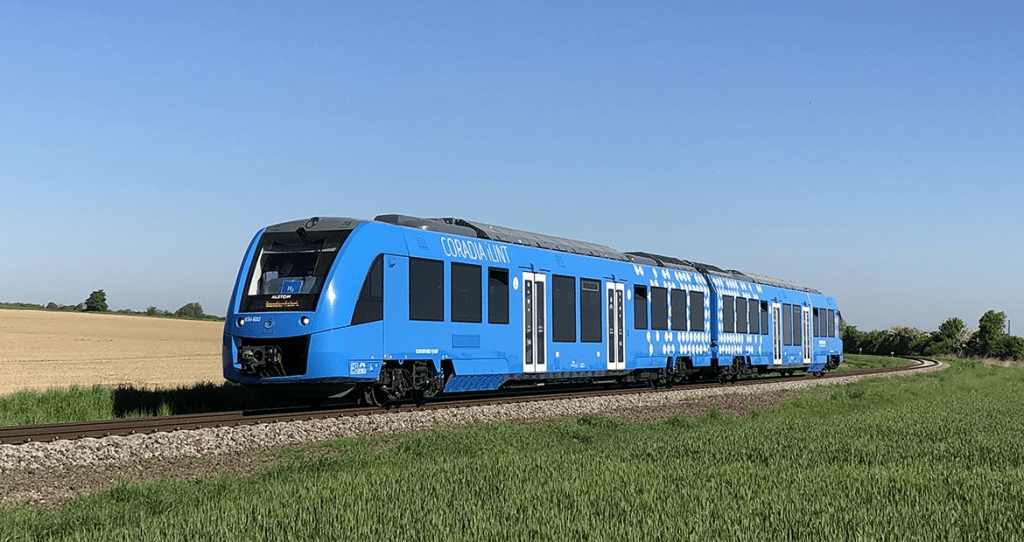
Hydrogen-powered transportation is no longer just a concept—it’s quickly becoming a reality, and two of the world’s largest countries are driving it forward in strikingly different ways. In the United States, a new hydrogen-fueled train equipped with zero-emission fuel cells marks a major milestone in clean transit technology. This train, powered by hydrogen and oxygen reactions that produce electricity and emit only water vapor, offers a compelling alternative to diesel locomotives. It is quieter, cleaner, and smarter—but it’s also caught in a geopolitical storm. Because the technology was developed in China, several nations have refused to adopt it, citing strained diplomatic relations and concerns over technological dependence. As a result, the train’s global potential is stalling—not because of any scientific shortcomings, but because of international politics.
Meanwhile, India is pushing full steam ahead with its own hydrogen train program. Recently, India launched trial runs of its first hydrogen-powered train on the Jind-Sonipat route in Haryana, featuring a 1,200-horsepower engine—double the power of Europe’s leading models. Built by the Integral Coach Factory in Chennai, this train is not just powerful; it’s also strategic. With the capacity to carry over 2,600 passengers and reach speeds of 110 km/h, it reflects India’s aggressive effort to decarbonize rail transport in areas where electrification is too expensive or impractical. Despite some technical delays pushing full commercial launch to mid-2025, the government has committed significant funding—Rs 2,800 crore—for hydrogen trains and another Rs 600 crore for infrastructure. The broader “Hydrogen for Heritage” program envisions 35 hydrogen trains crisscrossing scenic, often environmentally sensitive corridors, aligning cultural preservation with climate action.
The stark contrast between the reception of these two hydrogen train programs tells us everything we need to know about the moment we’re in. The technology is real. The emissions cuts are real. The engineering breakthroughs are real. And yet, progress is being shaped not only by innovation, but by who controls it. The U.S. train, though technically impressive, is shrouded in suspicion because of its Chinese roots. India’s train, while still in testing, is already being celebrated as a national achievement and a step toward its 2030 net-zero emissions goal.
This isn’t just about rail travel. It’s about the future of hydrogen as a major player in global decarbonization. Hydrogen fuel cells offer range, efficiency, and energy density that batteries struggle to match in heavy-duty transport. When powered by green hydrogen—produced using renewable energy—the entire system becomes virtually emission-free. And for countries seeking to slash transportation-related emissions without the massive investment required for electrification, hydrogen becomes a lifeline.
But hydrogen’s future won’t be decided by chemistry alone. It will depend on public trust, political cooperation, infrastructure investment, and smart policy. It will depend on whether governments are willing to prioritize planetary health over protectionist fears. And it will depend on whether we view hydrogen not as a nationalistic competition, but as a shared solution to a global crisis.
The path forward is clear: continue refining the technology, invest in hydrogen ecosystems, and create frameworks for international cooperation. Hydrogen-fueled transportation is not a fantasy. It’s already here—rolling down the tracks in India and the U.S. alike. The question is not whether it works. The question is whether we’re ready to embrace it.
Sources
https://www.coachesdatabase.com/america-hydrogen-train-rejected/
 Energy Outlook
Leave a comment