By: Jacob Kim
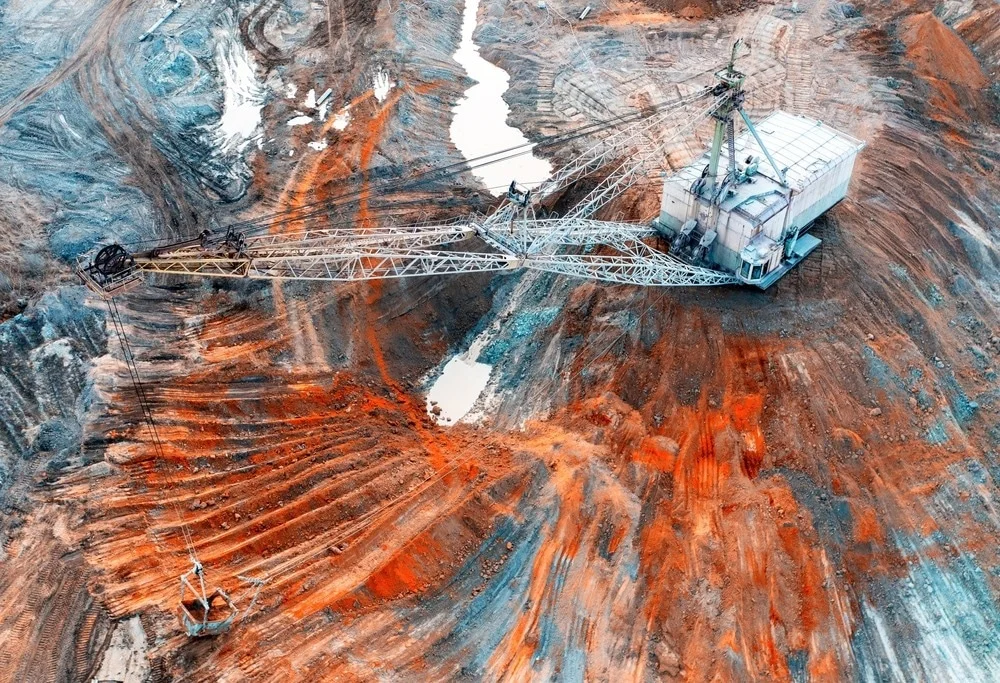
For decades, we’ve stared into the smog-choked legacy of coal-fired power plants, seeing only waste—mountains of toxic ash, scars on the land, and the pollution that fueled a climate crisis. But now, in an electrifying twist of fate, science has flipped the script. That same coal ash, once a symbol of environmental destruction, is poised to become a keystone in the clean energy revolution.
Researchers from the University of Texas at Austin have unveiled a jaw-dropping truth: the coal ash dumped across American landfills isn’t just waste—it’s wealth. Hidden in these forgotten piles are an estimated 11 million tons of rare earth elements (REEs)—materials that are absolutely critical to powering our green future. Think wind turbines. Think electric vehicles. Think solar panels, batteries, and the magnets inside nearly every clean energy innovation we rely on. The value of this treasure trove? Over $8.4 billion.
This discovery is more than a quirky scientific surprise. It is a seismic shift in the conversation around renewable energy and climate change.
For too long, the U.S. has been at the mercy of foreign powers to supply the rare earth elements essential for clean tech. We’ve outsourced our energy independence—and with it, our climate resilience. But no more. What this breakthrough reveals is simple yet profound: we’ve had the keys to our renewable energy future buried in our own backyard all along.
Coal ash, long deemed an environmental nuisance, now holds the power to liberate the U.S. from geopolitical entanglements and carbon dependency. Even better? Unlike traditional mining, these REEs are already separated from their host rock thanks to the combustion process. That means less energy, less water, less environmental devastation. It’s circular economy magic: we’re turning yesterday’s waste into tomorrow’s solution.
Let’s be clear—this is not just about economics or national security. This is about climate justice. This is about flipping the narrative on coal communities once written off as relics of the past and giving them a new role in the sustainable future. It’s about reducing emissions while restoring livelihoods. It’s about making climate action inclusive.
The regions richest in REEs, like the Appalachian and Powder River Basins, could become hubs of green innovation—not sacrifice zones. With targeted investment and policy support, we can build extraction technologies that are clean, safe, and community-led. The science is here. The need is urgent. What’s left is the will.
Companies like Element USA are already laying the groundwork. But to unlock the full potential of this discovery, we need a Manhattan Project-scale mobilization—public-private partnerships, federal research funding, tax incentives, and a strategic national framework for rare earth extraction from waste. Climate change waits for no one.
Sources
https://interestingengineering.com/energy/rare-earth-worth-eight-billion-found
https://news.iu.edu/live/news/44880-researchers-study-coal-waste-as-potential-domestic
 Energy Outlook
Leave a comment