By: Jacob Kim
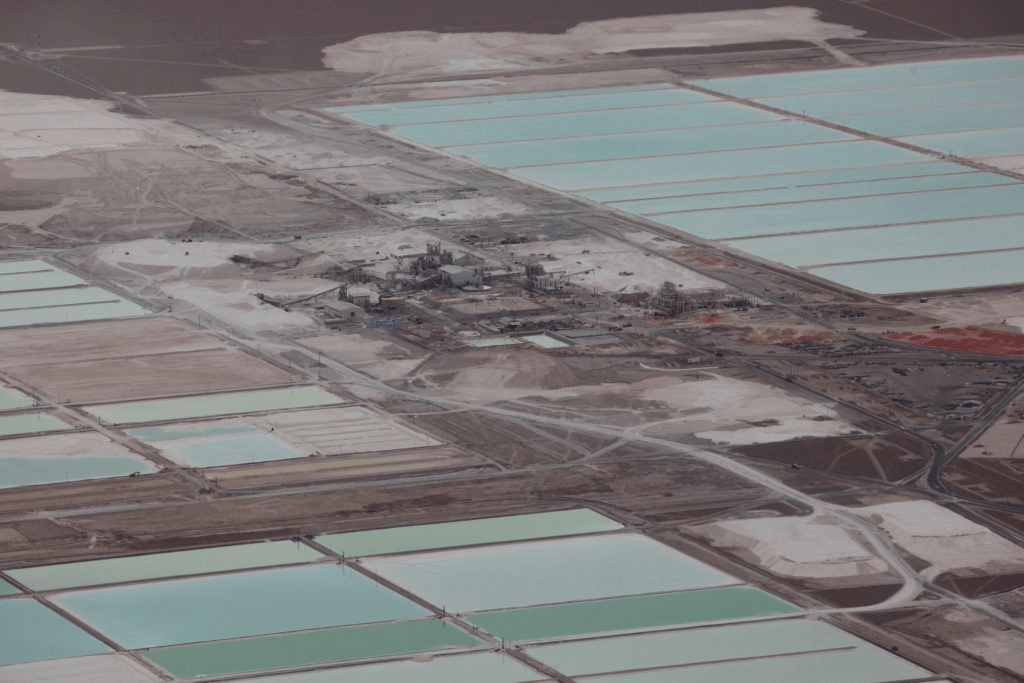
The discovery of the world’s largest lithium deposit in Nevada’s McDermitt Crater has the potential to revolutionize the clean energy transition. With an estimated 40 million metric tons of lithium—nearly double Bolivia’s renowned salt flats—this deposit positions the U.S. as a dominant force in global lithium supply. Electric vehicles, battery storage, and renewable energy systems all stand to benefit from this game-changing find. But if we don’t extract and utilize this lithium responsibly, we could face consequences that outweigh its promise.
Lithium is often dubbed the “white gold” of the energy revolution. Yet, like gold, its extraction has historically come at a heavy cost. From the environmental degradation of salt flats in Chile to the exploitative labor conditions of cobalt mining in the Congo, the ethical concerns surrounding battery production have been swept under the rug in the name of progress. The McDermitt deposit presents an opportunity to break from these past mistakes—if we approach it with a neuroethical and sustainable mindset.
Neuroethics, which deals with the ethical implications of neuroscience and technology, forces us to ask how our decisions today impact future generations. When applied to lithium extraction, it demands we consider the long-term social, environmental, and economic effects of mining this critical resource. This isn’t just about climate change—it’s about the people living in the McDermitt region, the ecosystems that could be irreversibly damaged, and the global supply chain that has historically been riddled with human rights abuses. The question isn’t just how much lithium can we extract, but rather, how do we extract it without creating new crises?
McDermitt Crater’s lithium is locked in clay-rich deposits, meaning mining will require large-scale excavation, water-intensive processing, and potential chemical treatments. Unlike brine lithium extraction, which depletes underground water tables, or hard-rock mining, which generates significant waste, clay-based lithium extraction falls somewhere in between. Done poorly, it could devastate local water sources, pollute ecosystems, and disrupt indigenous lands. The nearby Thacker Pass lithium project has already sparked resistance from indigenous groups and environmental advocates, many of whom argue that large-scale mining threatens sacred land and fragile ecosystems. If the McDermitt deposit is developed with the same disregard for local concerns, history will repeat itself.
To ensure the McDermitt lithium deposit fuels a truly sustainable energy transition, we need an approach that prioritizes ethical labor practices, clean extraction technologies, circular economy initiatives, indigenous and community-led decision-making, and long-term environmental impact assessments. Mining projects often bring job opportunities, but they must not exploit workers with low wages and unsafe conditions. The U.S. has a chance to set a global precedent by enforcing fair wages, proper safety regulations, and community involvement in decision-making. Traditional lithium mining methods are environmentally destructive, but newer technologies such as direct lithium extraction offer more sustainable alternatives. Investing in closed-loop water systems, renewable-powered mining operations, and minimal-waste processing should be non-negotiable.
Lithium recycling must become a priority. If we extract 40 million tons of lithium without an infrastructure for battery recycling, we are setting ourselves up for another environmental disaster. Companies should be required to invest in battery reuse and recycling programs from the start. If indigenous groups and local communities aren’t leading the conversation, we are failing. The U.S. government and mining companies must engage in transparent negotiations, ensure land rights are respected, and provide direct economic benefits to local populations. Short-term profit cannot come at the expense of long-term consequences. A comprehensive environmental impact plan—with strict accountability measures—must be established before large-scale mining begins. This means continuous monitoring, mitigation strategies, and enforceable penalties for environmental violations.
The McDermitt lithium deposit is both a blessing and a curse. If we extract it recklessly, we will replace one crisis—fossil fuel dependence—with another—environmental degradation and ethical exploitation. If we handle it responsibly, we can fuel a cleaner, more just energy transition. The world is at a tipping point. We have the technology, the resources, and the opportunity to change how we extract and use lithium. But if we continue down the path of short-term profit over long-term sustainability, the promise of green energy will collapse under the weight of its own contradictions.
We are not just mining lithium—we are mining the future. If we don’t do it right, we’re cooked. But if we rise to the challenge, this could be the breakthrough that truly fuels the energy transition, ethically and sustainably. The choice is ours.
 Energy Outlook
Leave a comment