By: Jacob Kim
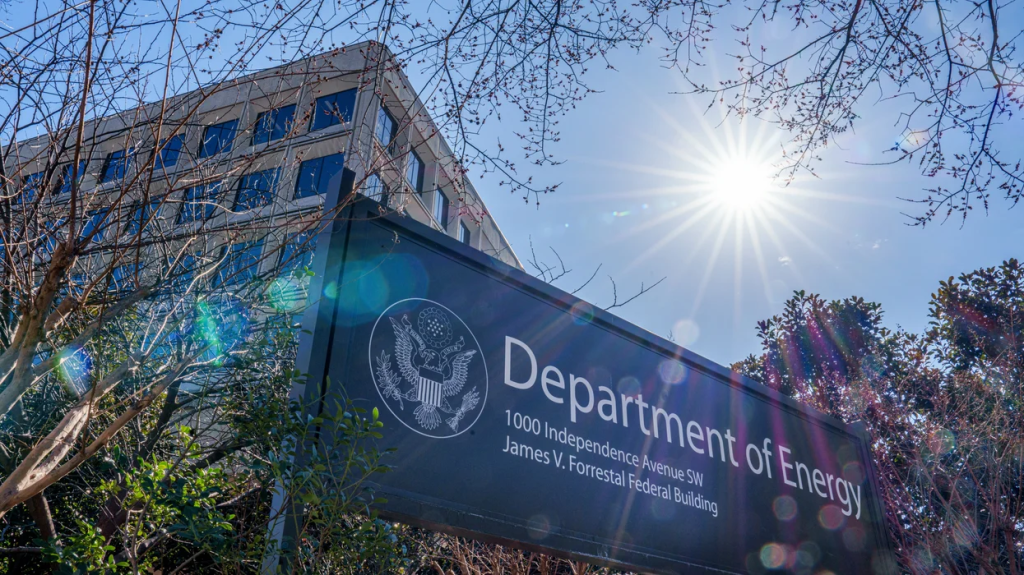
The Trump administration’s attempt to cancel federal loans for clean energy projects is more than just a bureaucratic shuffle—it’s a direct attack on the transition to a sustainable future. By shifting financial support away from renewables and toward nuclear and liquefied natural gas (LNG), the administration is making clean energy more expensive and slowing down the momentum of climate action at a time when we can’t afford to stall.
Why Clean Energy Needs Investment
Renewable energy projects require significant upfront investment. Unlike fossil fuels, which benefit from decades of infrastructure, subsidies, and government-backed incentives, solar, wind, and battery storage need policy support to scale efficiently. The Department of Energy’s (DoE) $400-billion fund was meant to accelerate this transition by financing projects that make clean energy cheaper and more accessible.
Now, that funding is at risk. The administration is reviewing—and potentially canceling—loans already granted under the previous government. This creates uncertainty for investors, raises borrowing costs for renewable companies, and slows down deployment.
How This Hurts the Climate
- Higher Costs for Clean Energy
Pulling funding makes renewable projects riskier, leading to higher interest rates and costs for developers. Without government-backed loans, private investors will either demand more expensive terms or pull out entirely, delaying progress. This artificially inflates the price of clean energy, making fossil fuels seem like a more attractive option—even when they come with massive environmental costs. - Slowing Down Grid Improvements
One of the biggest loans in question is a $15 billion commitment to Pacific Gas & Electric for grid modernization. The U.S. power grid is aging and wasn’t designed for widespread renewable integration. Without upgrades, wind and solar projects can’t reach consumers effectively. If the funding disappears, it could take years longer to build a grid that supports a clean energy future. - Undermining Energy Independence
Renewables offer the U.S. a chance to reduce its reliance on volatile fossil fuel markets, but without financial backing, clean energy companies will struggle to compete. Instead, the administration is pushing for more LNG and nuclear, both of which require long-term infrastructure investments and come with environmental risks. In the case of LNG, this means more emissions from extraction, transport, and combustion—undermining any progress toward decarbonization. - Job Losses in the Clean Energy Sector
The U.S. clean energy sector employs millions of people, and cutting funding puts those jobs at risk. Projects like battery manufacturing, transmission lines, and electric vehicle production depend on government loans to scale operations. If funding dries up, companies may slow hiring, halt expansions, or even shut down entirely.
The Bigger Picture
The Inflation Reduction Act jumpstarted America’s clean energy transition, with $54 billion in loans and guarantees helping companies invest in the future. But if the Trump administration succeeds in undoing these commitments, the country could fall behind in the global race for clean technology leadership. While other nations double down on renewables, the U.S. risks being left behind—both economically and environmentally.
The world is running out of time to cut emissions, and every delay makes the challenge harder. By making clean energy more expensive, the administration isn’t just favoring fossil fuels—it’s actively setting back climate action when we need it most. Instead of sabotaging renewables, we should be doubling down on investments that will secure a livable future.
 Energy Outlook
Leave a comment