By: Jacob Kim
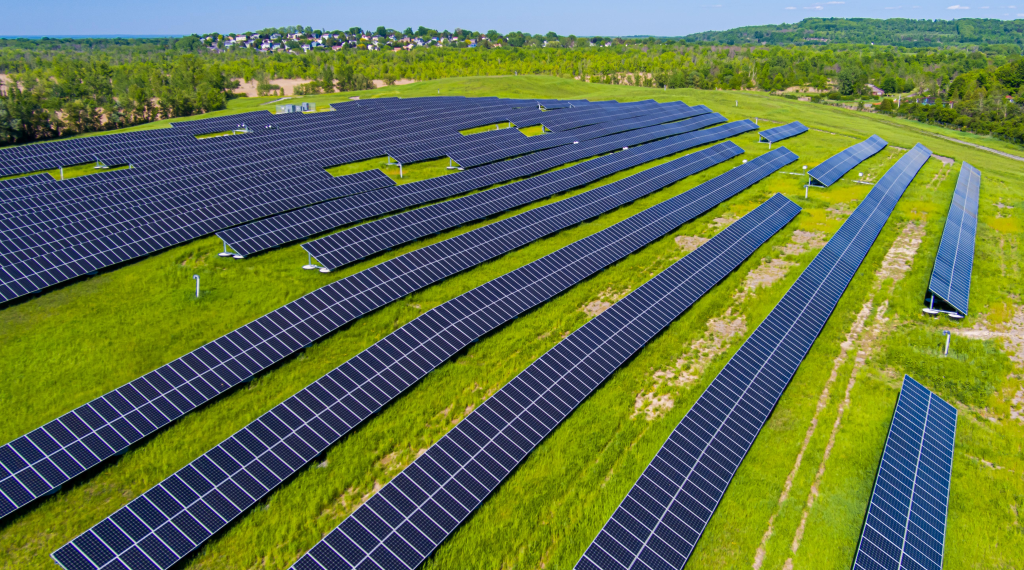
In the competition to achieve the ambitious targets of the Paris Climate Agreement, solar energy is the most viable form of renewable energy to invest in. Being the fastest-growing energy source in 2024, with a record-breaking growth rate and proven capability to make a significant contribution to worldwide emissions reduction, solar energy continues to be an important tool for solving the issues of climate change.
Throughout the first 11 months of 2024, solar energy in the United States grew by more than 26%, eclipsing all other sources of energy. According to information offered by the Federal Energy Regulatory Commission (FERC) and the Energy Information Administration (EIA), solar accounted for a staggering 81.4% of the utility-scale generating capacity that was installed in the time period. Solar contributed 98.6% of new capacity in November alone, the second-highest monthly build on record. This consistent growth has positioned solar as the quickest-growing source of U.S. electric generation.
Utility-scale solar now has 125.53 gigawatts (GW) of installed capacity, representing 9.61% of the total energy mix in the United States. Besides the small-scale solar installations that account for approximately 30% of all U.S. solar capacity, the overall share of solar power continues to increase. Solar not only surpassed traditional energy sources like natural gas and coal in capacity increase but also topped coal in actual production when put together with wind power, making it a dominant force in the transition within the energy industry.
Solar’s rapid growth is driven by several key drivers, including technological advancements, declining costs, and the increasing focus on sustainability. Solar installations on rooftops and utility-scale are rapidly becoming cheaper and more affordable, and this is making it easier for governments, companies, and individuals to adopt clean energy solutions. Moreover, the integration of solar with battery storage systems has made it more dependable, overcoming the intermittency issues that have otherwise discouraged its adoption.
Though its capacity factor is lower than that of natural gas and nuclear—23.2% for solar, as opposed to 93.0% and 59.7%, respectively—the sheer number of new solar installations compensates. As of the end of 2024, the new solar capacity installed was going to generate almost six times as much electricity as new natural gas or nuclear plants constructed during the same period.
The argument for investing in solar is not just environmental, but also economic. Solar’s astronomical rise has created jobs, driven innovation, and improved energy resilience. As renewable energy becomes more competitive with fossil fuels, solar is a viable way to achieve global climate goals while promoting economic growth.
But concerns remain. The Trump White House’s seeming antagonism toward renewable energy has thrown into doubt the future of federal incentives for solar and other renewables. But the industry’s stubborn and inexorable growth is a tribute to its resiliency and potential. Organizations such as the SUN DAY Campaign assert that the continuing growth of solar and wind energy constitutes the strongest argument in favor of these technologies being accorded firm policy support.
To meet the Paris Climate Agreement objectives, the world must invest in renewable energy that is sustainable, scalable, and affordable. Solar is all that and more. Its record-breaking growth in 2024 is proof of its revolutionary potential. By driving the deployment of solar and combining it with complementary technologies like battery storage, nations can make giant strides toward a cleaner and more sustainable future.
The climate emergency demands action with conviction, and solar power is perfectly positioned to lead the way. It is not merely an investment in renewable energy; it is an investment in the future of the planet.
 Energy Outlook
Leave a comment