By: Jacob Kim
Tiny microbes, not visible to the naked eye, possess vast possibilities in the fight against climate change. The National University of the Peruvian Amazon and Arizona State University (ASU) have identified a new, unknown family of microorganisms thriving in the peatlands of Peru’s northwestern Amazon rainforest that are water-logged. These microorganisms, members of the very ancient Bathyarchaeia lineage, are proving to be important players in the carbon cycle of the Earth, with the potential to sequester carbon for centuries or release it as potent greenhouse gases.
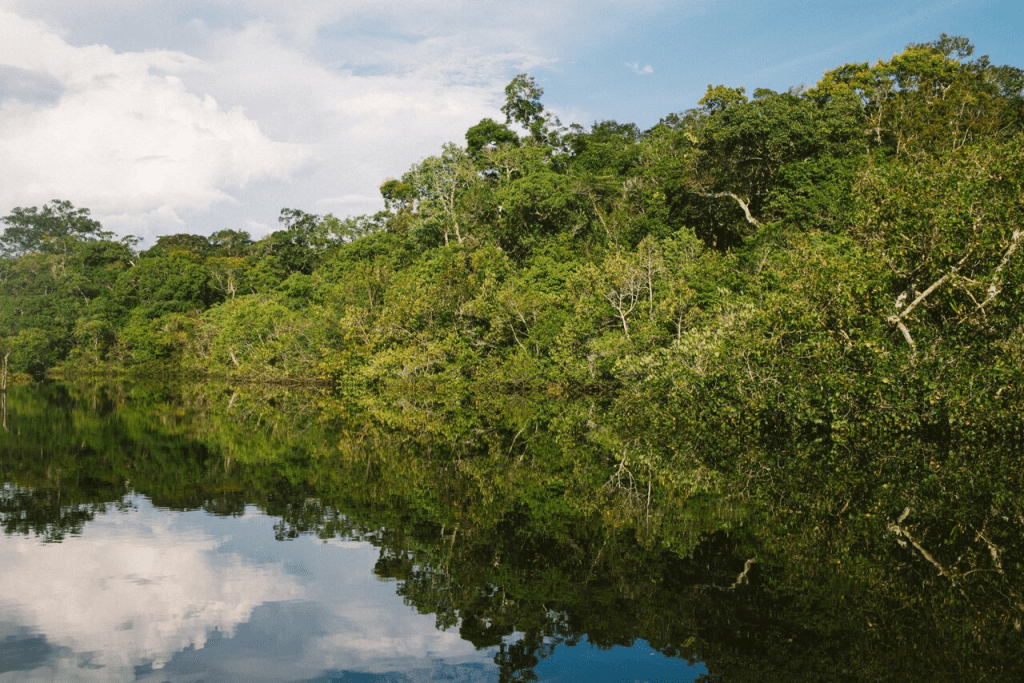
Peatlands such as those found in the Pastaza-Marañón Foreland Basin of the Amazon are among the most valuable carbon-sequestering ecosystems on Earth. These wetlands, which cover an estimated 100,000 square kilometers, store about 3.1 billion tons of carbon—double the amount in all of the world’s forests. The wet and low-oxygen conditions in these peatlands impede decay, so organic material builds up over thousands of years. Microbes in the ecosystems play an essential function to regulate the process. In stable conditions, they sequester carbon in peat, which arrests the emission of greenhouse gases. Disturbances like drought, temperature increase, or human activities can disrupt microbial processes, converting the carbon sinks into powerful sources of carbon dioxide and methane.
The research points out the dual nature of these microbes in the fragile balance of the Amazon peatlands. Although their metabolic plasticity enables them to survive in oxygen-deprived environments and fix carbon under normal conditions, environmental perturbations may induce their greenhouse gas release. This shift is a catastrophic risk, considering the fact that peatland drying as a result of climate change or human activities may release up to 500 million tons of carbon by the end of the century—a level comparable to 5% of annual global fossil fuel emissions.
Although these ecosystems are disproportionately valuable, they are increasingly facing pressure from deforestation, mining, land conversion, and climate change-induced shifts in rainfall and temperature. Such disturbance not only threatens the carbon sequestration function of these peatlands but also speeds up the emission of stored carbon, contributing to global warming.
One of the fascinating facts about these newly revealed microbes is how they endure the Amazon’s changing water and oxygen levels. Seasonal regimes of precipitation render it a dynamic ecosystem, and these microbes are adapted to thrive in oxygenated and oxygen-deficient environments. This is critical for the carbon balance of the ecosystem. These microbes carry out other ecosystem functions, such as the breakdown of carbon monoxide—a toxic gas to most living organisms—and as a source of energy. This process lowers the toxicity of carbon in their environment and ensures the health of the entire ecosystem.
These peatlands and microbial communities need to be preserved to prevent climate change. The study calls for the use of sustainable land use management, such as preventing deforestation, minimizing drainage schemes, and minimizing mining in these carbon-rich regions. The researchers also suggest local participation and restoration of the tropical peatlands to maximize carbon sequestration and the preservation of their ecosystem processes.
The National Science Foundation-funded study by ASU is a major breakthrough in understanding tropical peatlands and how they are an integral part of the global carbon cycle. Through their work unveiling the hidden world of microorganisms in the Amazon, scientists are creating potential avenues for new kinds of conservation where the natural functioning of the microbes is harnessed. While climate change reshapes our world, the Amazon peatlands could very well hold the answer to lessening future environmental problems and saving one of the most vital carbon sinks on our planet.
Sources
https://www.earth.com/news/tiny-microbes-in-amazon-peatlands-help-balance-the-global-climate/
 Energy Outlook
Leave a comment