By: Jacob Kim
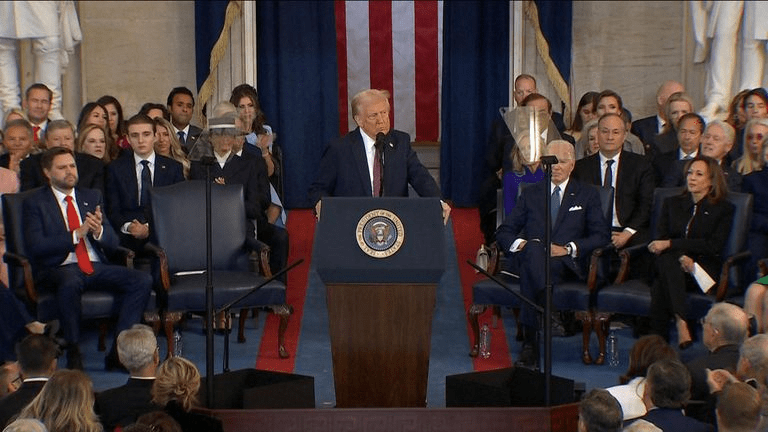
President Donald Trump’s inaugural address on January 20, 2025, outlined a series of policy initiatives that signal a significant departure from previous climate change mitigation efforts. His administration’s approach emphasizes increased fossil fuel production and the rollback of environmental regulations, raising concerns about the future of climate action in the United States.
In his speech, President Trump announced the United States’ withdrawal from the Paris Climate Agreement, marking the second time his administration has taken this step. He criticized the accord as detrimental to U.S. economic interests, stating, “We will no longer allow international agreements to extract wealth from our nation.” This withdrawal removes the U.S. from a global coalition aimed at limiting temperature increases to well below 2°C above pre-industrial levels, undermining international climate change mitigation efforts.
President Trump declared a national energy emergency, emphasizing the need to “unleash America’s full energy potential.” He stated, “We have the largest amount of oil and gas of any country on Earth, and we are going to use it.” This initiative includes accelerating permits for energy projects and expanding oil and gas exploration, particularly in previously restricted areas such as Alaska. While aimed at achieving energy independence and economic growth, this policy shift is likely to increase greenhouse gas emissions, exacerbating climate change.
The administration plans to dismantle key environmental regulations, including those promoting renewable energy and limiting fossil fuel use. President Trump expressed his intent to end the Green New Deal and electric vehicle mandates, asserting that these policies hinder economic progress. Additionally, he has taken steps to halt federal cases against certain industries and individuals, signaling a more lenient approach toward environmental compliance. These actions may lead to increased pollution and a setback in efforts to transition to cleaner energy sources.
The policy directions outlined in President Trump’s inaugural address suggest a significant rollback of initiatives designed to combat climate change. By prioritizing fossil fuel production and reducing support for renewable energy, the administration’s approach is poised to increase the nation’s carbon footprint. This shift not only hampers domestic efforts to address climate change but also impacts global initiatives, as the U.S. plays a crucial role in international climate policy.
In summary, President Trump’s inaugural address and subsequent policy actions indicate a move away from established climate change mitigation strategies. The emphasis on fossil fuels and deregulation presents challenges to environmental sustainability and the global fight against climate change.
 Energy Outlook
Leave a comment