By: Jacob Kim
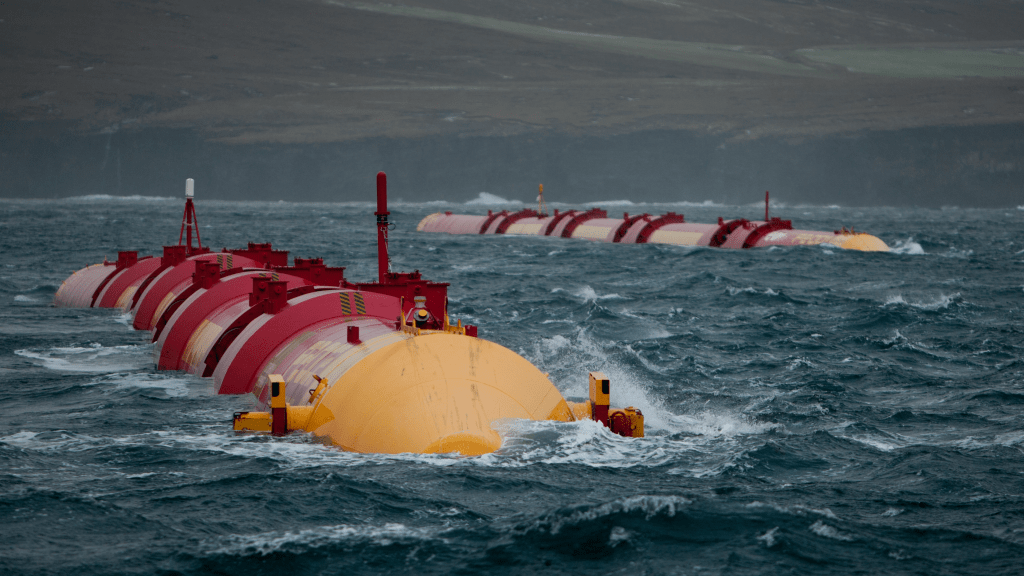
As the world grapples with the urgent need to transition from fossil fuels to sustainable energy, wave energy is emerging as a promising solution. Off the coast of Newport, Oregon, the PacWave project—a $100 million initiative funded by the U.S. Department of Energy—is pioneering efforts to convert the ocean’s untapped wave power into a consistent, renewable energy source. This groundbreaking project not only holds the potential to combat climate change but also highlights the collaborative efforts required to balance innovation, environmental preservation, and community needs.
Renewable energy sources like solar and wind are integral to reducing greenhouse gas emissions, but their intermittent nature limits their reliability. Wave energy, by contrast, offers a consistent and abundant power source. Waves are generated by the wind and continue to move regardless of the time of day or weather conditions, making them an ideal complement to existing renewable technologies. According to the Department of Energy, the energy potential of waves off America’s coasts could power one-third of the nation’s homes. If successfully commercialized, wave energy could significantly reduce dependence on fossil fuels, cutting emissions and mitigating the impacts of climate change.
Located seven miles off the coast of Newport, PacWave is poised to be a game-changer for marine energy. The project’s test site spans 2.65 square miles and features four berths where wave energy converters will be tested under real-world conditions. Subsea connectors and buried cables will transmit the generated electricity to the grid, providing valuable insights into the performance, durability, and environmental impact of this emerging technology. Unlike offshore wind farms, wave energy projects are relatively unobtrusive. Devices are submerged or low-profile, ensuring that coastal views remain intact. This low visual impact, coupled with the potential for consistent energy production, has made wave energy less controversial and more appealing to communities.
The PacWave project exemplifies how renewable energy initiatives can thrive with community support. Newport’s strong ties to marine research and its fishing economy could have posed challenges, as the wave energy test site overlaps with valuable crabbing grounds. However, years of dialogue between Oregon State University (OSU), local officials, and the fishing community led to a compromise. Crabbers like Bob Eder, though initially wary of losing key fishing areas, have shown goodwill, recognizing the long-term environmental and economic benefits of wave energy. This collaboration underscores the importance of building trust and ensuring that stakeholders feel included in decision-making processes. By addressing concerns and fostering transparency, PacWave has set a precedent for how renewable energy projects can coexist with traditional industries.
Despite its promise, wave energy is still in its infancy compared to wind and solar power. High costs and technological challenges remain significant barriers. For example, the projected cost of electricity from wave energy converters ranges from 12 to 47 cents per kilowatt-hour, compared to just 3.5 cents for wind energy in states like Oregon. However, with continued government investment and technological innovation, these costs are expected to decline, much like they did for wind and solar. Wave energy also offers unique opportunities for remote and off-grid communities. In places like Alaska, where diesel generators are the norm, wave power could provide a cleaner, more reliable alternative, reducing both emissions and energy costs.
PacWave’s success could have far-reaching implications. As a federally approved test site, it will accelerate the development of wave energy technology, enabling faster commercialization and broader adoption. By demonstrating the viability of wave energy, PacWave could inspire similar projects worldwide, helping to diversify the global renewable energy portfolio. Moreover, the collaborative approach seen in Newport could serve as a blueprint for future renewable energy projects. By engaging communities, addressing concerns, and emphasizing shared benefits, renewable energy initiatives can gain the support needed to drive meaningful change.
Wave energy may still be 20 years behind wind energy in its development, but the trajectory is promising. With increasing government support, technological advancements, and community buy-in, wave energy could become a cornerstone of the fight against climate change. Projects like PacWave remind us that the path to a sustainable future requires innovation, cooperation, and a shared commitment to preserving our planet. As Newport’s waves quietly lap the shore, they hold the potential to power a cleaner, greener tomorrow—one that benefits both the environment and the communities that call it home.
Sources
 Energy Outlook
Leave a comment