By: Jacob Kim
Climate change is no longer a distant threat—it’s an immediate reality reshaping the planet, with one of its most visible consequences being the rapid rise of sea levels. This is driven by warming temperatures, melting polar ice caps, and the thermal expansion of seawater, all of which are directly linked to the excess greenhouse gases trapping heat in the Earth’s atmosphere. As the polar regions experience record-high temperatures, massive amounts of ice from Greenland and Antarctica are melting, adding vast volumes of water to the oceans. Simultaneously, as seawater warms, it expands, further contributing to the phenomenon. Since 1900, global sea levels have risen by approximately eight inches, but the rate of increase has doubled in recent decades, with projections suggesting a rise of one to four feet by the end of the century if emissions are not curtailed.
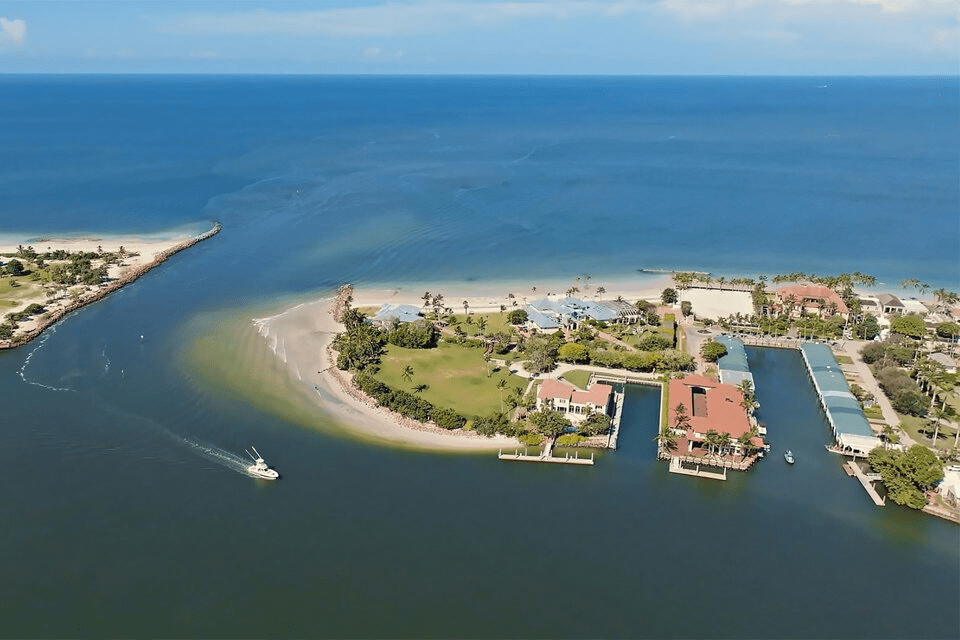
The consequences of rising oceans are both far-reaching and devastating. Coastal communities, where around 40% of the global population resides, face heightened risks of flooding, storm surges, and erosion. Major cities such as Miami, New York, and Jakarta are already contending with routine flooding during high tides, often referred to as “nuisance flooding.” Additionally, high-value properties, like the $295 million Gordon Pointe estate in Naples, Florida, face astronomical flood risks, with some regions projected to be underwater in a matter of decades. Beyond human infrastructure, entire ecosystems are at risk. Wetlands and estuaries are being submerged, erasing habitats for countless species, while coral reefs, already stressed by warming and acidification, struggle to adapt to changing water levels.
Addressing the crisis of rising oceans demands immediate and comprehensive action. Reducing greenhouse gas emissions is critical, which involves transitioning to renewable energy sources, enhancing energy efficiency, and protecting forests that absorb carbon dioxide. At the same time, adaptation measures such as building sea walls, restoring natural barriers like mangroves, and incorporating climate-resilient urban planning can help safeguard vulnerable areas. Global cooperation will also play a vital role, particularly in funding and implementing large-scale projects to mitigate and adapt to the impact of rising seas.
The rising oceans serve as an urgent reminder of the need for bold climate action. With every inch of water encroaching further inland, the stakes become higher. Protecting vulnerable communities, conserving ecosystems, and advocating for sustainable policies are not just options—they are necessities. Humanity must act decisively to limit emissions and adapt to the changing environment. The oceans are rising, and it is up to us to rise to the challenge.
 Energy Outlook
Leave a comment