By: Jacob Kim
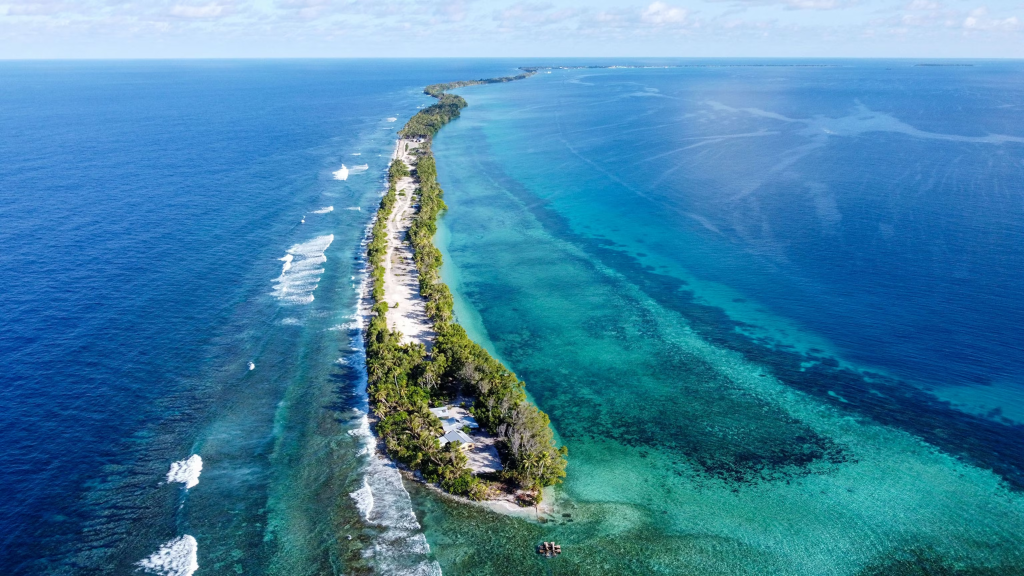
Imagine your entire nation, culture, and history digitized into the metaverse because the land you call home is sinking into the ocean. This is not the premise of a dystopian science fiction novel but the reality faced by Tuvalu, a small Pacific island nation. Confronted with rising seas and an uncertain future, Tuvalu is creating a “digital twin”—a virtual replica of its islands and heritage—to preserve its culture, sovereignty, and identity. It’s bold, innovative, and heartbreaking. But is this digital endeavor a testament to human resilience or an alarming resignation to a world that continues to ignore the climate crisis?
On one hand, Tuvalu’s project is visionary. By using cutting-edge technology like LiDAR scans, drone imaging, and blockchain, Tuvalu is preserving not just its physical geography but the essence of its nationhood. This is not merely a virtual museum but a living, breathing digital country that could serve as a legal and cultural refuge for its people. The initiative represents a radical rethinking of sovereignty. Current international law demands a defined territory and a permanent population for a nation to exist. Tuvalu’s digital twin challenges these outdated notions, asserting that a nation can thrive in the metaverse even if its physical landmass disappears. This is a powerful message: Tuvalu may lose its shores, but it will not lose its identity.
This move also amplifies Tuvalu’s voice on the global stage, pushing wealthier nations to recognize the human cost of their inaction on climate change. It is a rallying cry for justice and a reminder that those least responsible for the crisis are paying the highest price.
Yet, the project also raises uncomfortable questions. Is Tuvalu’s digital twin an innovative adaptation or an implicit acceptance that the world will not save the islands? By focusing on the metaverse, is Tuvalu prematurely conceding defeat in the fight to preserve its physical territory? Critics argue that the initiative risks distracting from urgent efforts to combat climate change and physically protect the islands. Former Prime Minister Enele Sopoaga called the project “a distraction,” insisting that Tuvalu will not disappear. And he has a point. Investing in digital replicas while sea walls and land reclamation projects are still incomplete feels like splitting focus at a critical moment.
Furthermore, creating a digital twin requires massive resources, including the very technologies driving global carbon emissions. Tuvalu risks becoming a paradox: preserving its identity in a virtual space while inadvertently contributing to the environmental degradation that threatens its existence.
At its core, Tuvalu’s digital twin is less about surrender and more about preparing for an inevitable future if global leaders continue to fail. It is a mirror held up to the world’s inaction—a vivid illustration of what happens when promises at COP conferences don’t translate into meaningful emissions cuts. Tuvalu’s plight underscores the need for a global reckoning. This isn’t just a small island nation’s problem; it’s a preview of what awaits other vulnerable regions. Miami, Jakarta, and Venice may not be far behind. The question is, will the world act before the list grows longer?
The Digital Nation initiative also forces us to confront the human cost of climate change. What does it mean to lose your home, not because of war or famine, but because the ocean swallows it whole? The idea of a digital homeland may soothe logistical concerns, but it does little to address the psychological toll of displacement and diaspora. A virtual beach can’t replicate the feeling of sand between your toes or the sound of waves lapping at the shore.
Despite its challenges, Tuvalu’s digital twin is a profound act of resilience. It shows that even in the face of catastrophic loss, there is room for creativity, innovation, and hope. The people of Tuvalu are not passive victims; they are architects of their own future, adapting to a world that has turned its back on them. But this resilience cannot absolve the rest of the world of its responsibility. The fact that Tuvalu even needs to digitize itself is a failure of humanity, a stark reminder of the injustices embedded in the climate crisis. Wealthy nations have the resources to prevent such tragedies yet continue to drag their feet. Tuvalu’s message is clear: if the world refuses to act, the least it can do is bear witness to what it has wrought.
Tuvalu’s digital twin is both an inspiring act of defiance and a tragic symbol of surrender. It highlights the resilience of a people determined to preserve their identity while exposing the moral failure of the global community to address the root causes of their plight. As Tuvalu builds its future in the metaverse, the rest of the world must confront a painful truth: this is not just about saving Tuvalu. It’s about saving ourselves from a future where digital replicas replace physical homes, and nations exist only as pixels in a server. Tuvalu’s story is a warning, a lesson, and above all, a call to action. Will we listen?
 Energy Outlook
Leave a comment