By: Jacob Kim
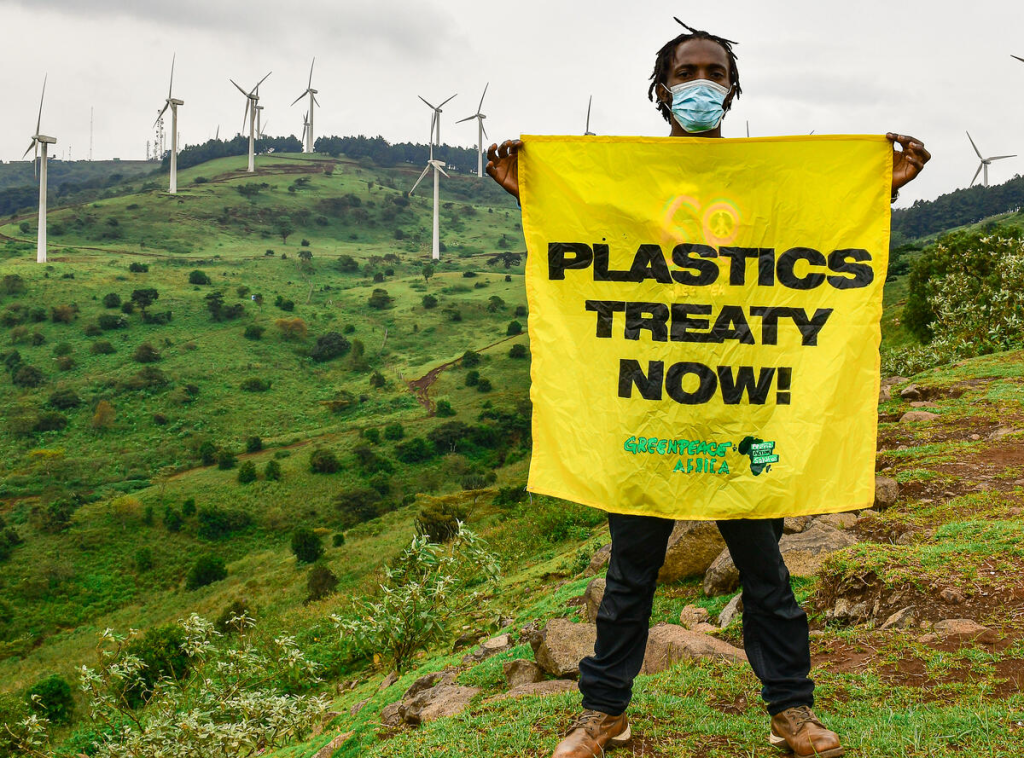
Saudi Arabia’s ongoing pushback against a proposed global treaty on plastic pollution highlights a significant challenge in addressing both environmental degradation and climate change. Delegates from over 170 nations have gathered in Busan, South Korea, to draft a treaty aimed at tackling the escalating crisis of plastic pollution. However, resistance from oil-producing nations, including Saudi Arabia, Russia, and others, has impeded progress.
Plastics, primarily derived from petroleum, are deeply connected to the fossil fuel industry. As global demand for crude oil declines due to the rise of renewable energy and electric vehicles, petrochemicals—such as plastics—have become a critical focus for oil-dependent economies. Saudi Arabia, the world’s largest oil exporter, has incorporated petrochemical growth into its Vision 2030 strategy to diversify its economy. This reliance on plastic production poses a direct threat to global climate goals. The production and disposal of plastics are significant sources of greenhouse gas emissions, contributing to climate change throughout their lifecycle—from petroleum extraction and refining to the incineration of plastic waste.
The negotiations in Busan emphasize the need to address plastic pollution at its source. Over 100 nations, including Canada, Norway, and Rwanda, have proposed measures to cap the production of primary plastic polymers and phase out harmful chemicals in plastics. These steps are essential not only for reducing pollution but also for lowering the carbon footprint of the plastics industry. However, Saudi Arabia and its allies argue that targeting production unfairly penalizes industries without directly solving the issue of pollution. This perspective, combined with procedural delays and demands for unanimity, has hindered meaningful progress in the talks.
Saudi Arabia’s resistance to production curbs could have profound consequences. Unchecked plastic pollution exacerbates environmental damage, harming marine life, disrupting ecosystems, and threatening biodiversity. Additionally, the expansion of plastic production locks in carbon emissions for decades, undermining global net-zero targets. Developing nations, disproportionately affected by plastic pollution, may face significant challenges in managing waste sustainably without robust international support.
Despite these obstacles, the coalition advocating for production caps reflects growing global awareness of the links between plastic pollution and climate change. Rwanda’s early ban on single-use plastics and the involvement of fossil fuel-producing nations like Canada and Norway signal a shift in attitudes. If negotiations fail to yield results, alternative strategies, such as moving discussions outside the United Nations framework, may be explored to circumvent opposition and enable decisive action.
The stakes of the plastic treaty negotiations extend far beyond waste management. They represent a critical opportunity to shape global climate policy. A weakened treaty risks perpetuating environmental harm and climate setbacks, while a strong agreement that limits plastic production and promotes sustainable alternatives could mark a turning point in the fight against climate change. Addressing both the root causes and the symptoms of plastic pollution requires systemic solutions that prioritize the planet’s long-term health over short-term economic interests.
Sources
https://www.nytimes.com/2024/11/30/climate/saudi-arabia-global-plastic-treaty.html
 Energy Outlook
Leave a comment