By: Jacob Kim
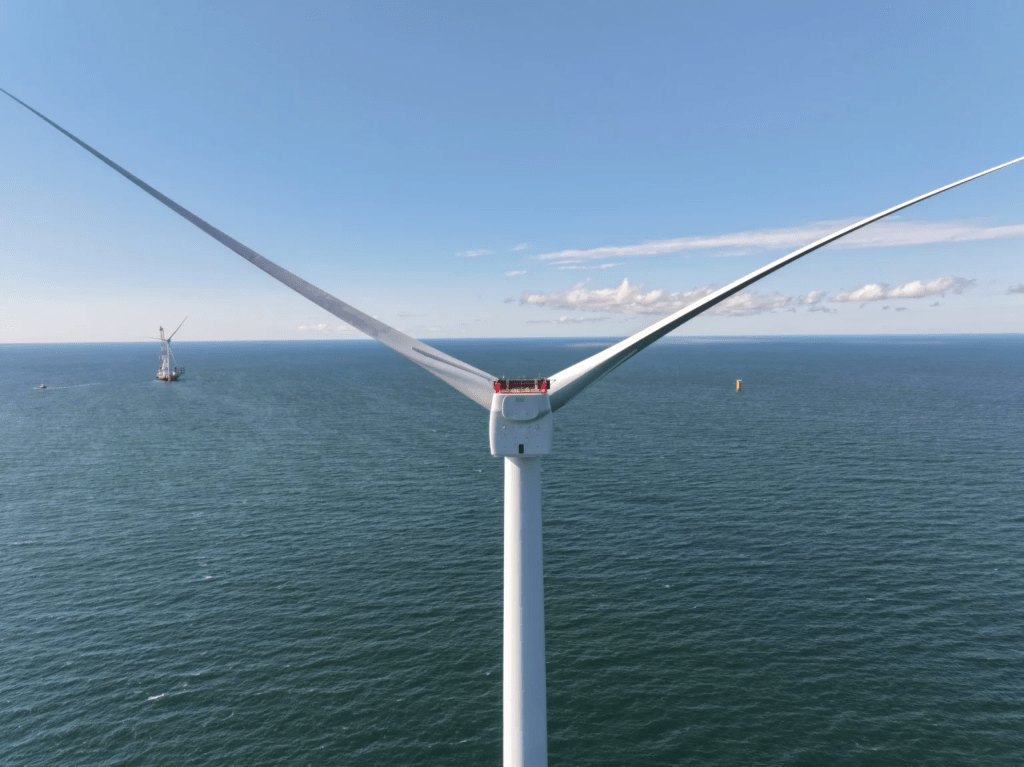
The future of offshore wind energy in the United States appears increasingly uncertain, with significant implications for climate change mitigation efforts. The collaboration between Massachusetts, Rhode Island, and Connecticut, aimed at developing 6 gigawatts of offshore wind power, is encountering setbacks as Connecticut hesitates to fully participate. This hesitation undermines a collective procurement model that could lower costs and set a precedent for regional energy collaborations.
Offshore wind is crucial for reducing carbon emissions, with projects like those off New England projected to power millions of homes and help states meet renewable energy targets. However, recent disruptions in the industry, including project cancellations and renegotiations due to inflation and supply chain issues, reveal its fragility. These challenges threaten the broader adoption of offshore wind as a key component of decarbonization strategies.
Inconsistent state commitments further destabilize progress. While Massachusetts and Rhode Island are forging ahead, Connecticut’s reluctance reflects broader uncertainties about the economic feasibility of offshore wind. Rising costs, regulatory hurdles, and political shifts—such as the potential for less federal support under a different administration—add to the industry’s precarious position.
If these challenges persist, the impacts on climate change could be severe. Offshore wind represents one of the most scalable solutions for transitioning to renewable energy, particularly in coastal regions. Delays and cancellations could slow decarbonization efforts, prolonging reliance on fossil fuels and exacerbating global warming. The U.S. risks falling behind other nations that are investing heavily in offshore wind, diminishing its ability to meet international climate commitments.
The shaky trajectory of offshore wind underscores the need for stronger federal and state cooperation, stable funding mechanisms, and innovative solutions to overcome logistical and financial barriers. Without these, the promise of offshore wind as a climate solution may remain unrealized.
Sources
 Energy Outlook
Leave a comment