By: Jacob Kim
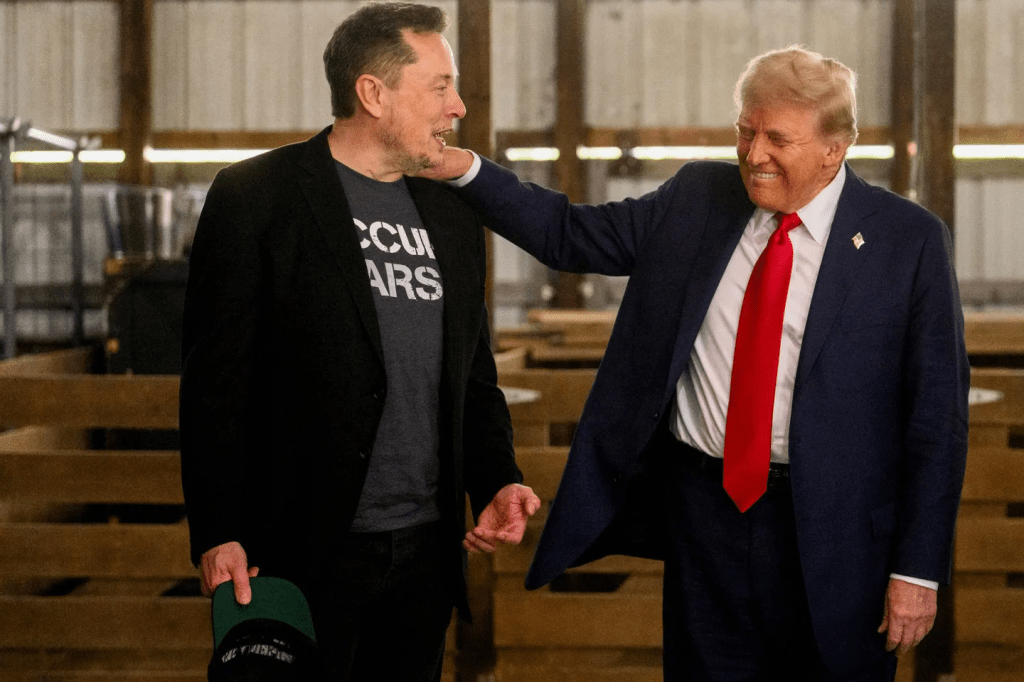
President-elect Donald Trump’s energy policies, as reflected in his nomination of fossil fuel advocate Chris Wright as energy secretary, suggest a stark departure from efforts to promote electric vehicles (EVs) as a cornerstone of the fight against climate change. With a focus on traditional energy sources and deregulation, the administration’s stance on EVs could significantly hinder the U.S.’s ability to reduce greenhouse gas emissions and transition to a sustainable energy future.
EVs are widely regarded as a key tool in combating climate change by reducing carbon emissions from transportation, which accounts for nearly 30% of total U.S. emissions. However, Trump’s prioritization of oil and gas development over renewable energy initiatives could limit investment in the infrastructure and incentives necessary to expand EV adoption. Policies favoring fossil fuel dominance, such as lifting restrictions on natural gas exports and easing drilling regulations, may also undermine the cost competitiveness of EVs by keeping gasoline prices low, reducing the economic incentive for consumers to transition to cleaner vehicles.
The lack of strong federal support for EVs could slow the development of charging infrastructure and discourage automakers from scaling up EV production. This would leave the U.S. lagging behind global competitors like China and the European Union, which are aggressively investing in EV technologies as part of their climate commitments.
Furthermore, the administration’s rhetoric around climate change, including Wright’s dismissal of global climate movements, signals a broader reluctance to embrace policies aimed at reducing emissions. Without strong leadership and investment in cleaner technologies like EVs, the U.S. risks missing critical opportunities to cut emissions and meet international climate targets.
Trump’s policies may also have ripple effects beyond the U.S. Domestically, the transportation sector’s reliance on fossil fuels would continue to contribute to rising temperatures and climate-fueled disasters. Internationally, the U.S.’s withdrawal from EV leadership could weaken global momentum toward electrification, undermining the collective efforts needed to combat climate change effectively.
By deprioritizing EVs and doubling down on fossil fuels, the administration’s stance represents a significant challenge to addressing the climate crisis. Without a shift in direction, the U.S. may face long-term environmental and economic consequences, as well as diminished influence in the global transition to a cleaner energy future.
Sources
 Energy Outlook
Leave a comment