By: Jacob Kim
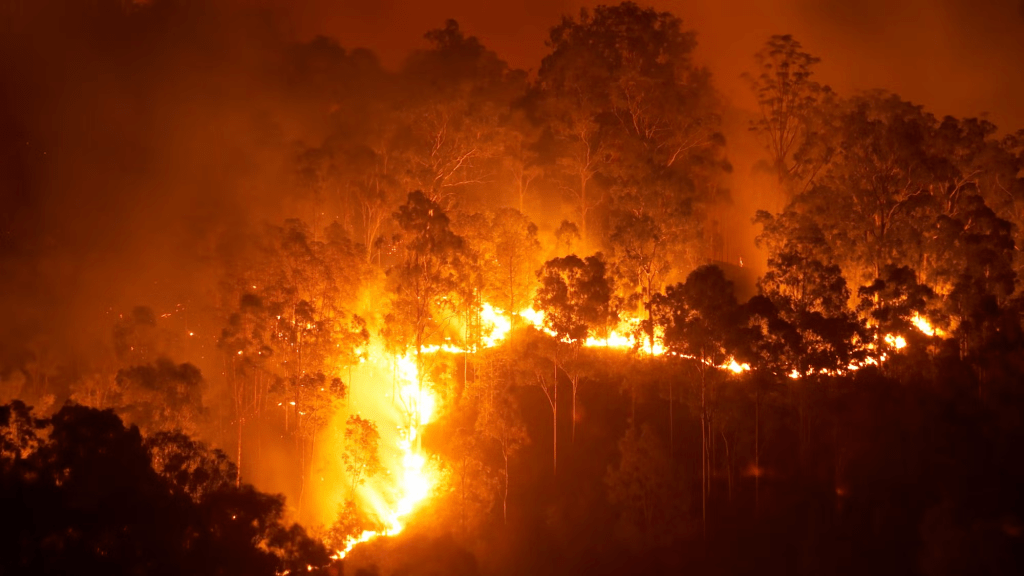
Wildfires, traditionally associated with the American West, have now struck the Northeast, engulfing parts of New York and New Jersey amid an unusually severe drought. The Jennings Creek fire, spanning nearly 5,000 acres in the rugged Hudson Valley, has sent smoke into New York City, reducing air quality and turning the skyline hazy. This unprecedented event underscores the far-reaching and unpredictable effects of climate change.
The Northeast, known for its wet climate and historic flooding, has experienced over 40 days without meaningful rain. This prolonged drought has drained reservoirs, ponds, and rainwater storage tanks, leaving vegetation dry and primed for combustion. As Hilary Howard, a climate change reporter for The New York Times, explained, global warming exacerbates these conditions: hotter air holds more moisture, leading to intense rainfall in some areas and prolonged droughts in others. High-pressure systems currently dominating the Northeast prevent rainfall, creating a tinderbox environment ripe for wildfires.
Unlike the West, where firefighting resources are robust, the Northeast lacks extensive wildfire response infrastructure. Combating the Jennings Creek fire has required an “all hands on deck” approach, with volunteer firefighters, state professionals, and marine crews working together. The lack of regional preparedness highlights the challenges of adapting to a changing climate.
Residents, unaccustomed to wildfire risks, are learning how to cope. State agencies and community groups are spreading awareness about fire prevention and air quality management. Apps like the EPA’s “AirNow” help residents monitor air quality, while burn bans and common-sense fire precautions aim to prevent new blazes.
The occurrence of wildfires in the Northeast, a region previously defined by wet conditions, exemplifies the erratic nature of climate change. As Howard noted, “It’s a roll of the dice” whether the region will face historic flooding or severe drought in the future. This unpredictability highlights the urgent need for broader climate resilience and mitigation strategies. The Northeast’s wildfires serve as a sobering reminder that no region is immune to the shifting realities of a warming planet, calling for adaptation and preparedness in the face of an increasingly uncertain future.
 Energy Outlook
Leave a comment