By: Jacob Kim
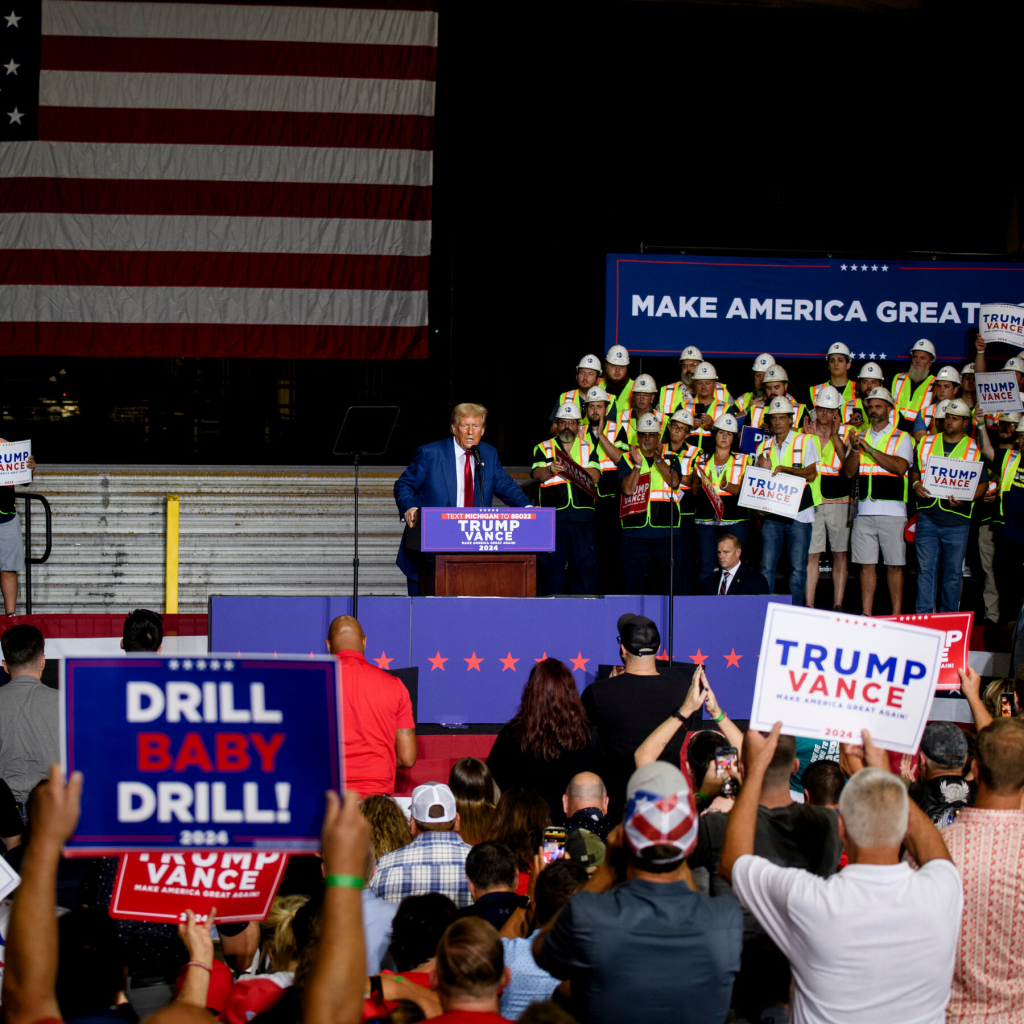
The shale industry’s recent shift in priorities poses a significant challenge to President-elect Trump’s plans for ramping up oil production. While Trump’s campaign promises have highlighted a push for more drilling and energy independence, today’s oil industry operates with a very different mindset from when Trump was last in office. Large shale companies are now emphasizing financial discipline, steady returns to shareholders, and strategic resilience over high-volume production growth. This focus on capital efficiency and investor returns suggests that even with supportive policies, Trump is unlikely to see a significant surge in U.S. oil production.
In recent years, industry leaders like Chevron and ExxonMobil have drastically reduced capital expenditures, aiming to optimize returns rather than expand operations. For instance, Chevron’s spending in the Permian Basin, one of the most productive U.S. shale regions, is expected to peak soon, with the company focusing on free cash flow and efficiency gains rather than increased drilling. This shift comes in response to previous oil price crashes that highlighted the need for stability over expansion. Shale executives are keen to avoid the volatility that hit the industry hard in 2016 and 2020, and they’re maintaining a cautious approach even as Trump promises policies favorable to fossil fuel interests.
From a climate perspective, this new industry focus could have mixed implications. On one hand, the industry’s move toward reduced production growth and greater efficiency may curb some emissions increases associated with rapid drilling expansions. If shale companies continue to prioritize stability and cash flow, it may limit new fossil fuel development, potentially slowing the rise in U.S. emissions compared to past growth periods. Additionally, capital discipline within the sector means that the traditional link between high oil prices and increased production is weakening, reducing the industry’s responsiveness to political incentives aimed at boosting drilling.
However, it’s important to recognize that any new fossil fuel production still poses a risk to climate goals. Even with a moderated growth rate, ongoing U.S. oil production contributes to global emissions, and Trump’s pro-fossil fuel stance could hinder investments in renewable energy and clean technologies. Supporting policies that reduce regulatory burdens and expand infrastructure for oil and gas may reinforce dependence on fossil fuels at a time when climate scientists are calling for accelerated shifts to renewables.
Overall, while Trump’s plans to expand U.S. oil production may face challenges within the current industry climate, his policies still have the potential to influence energy priorities. The focus on capital discipline by U.S. oil companies may temper production growth, but the broader environmental impact will depend on how the administration balances fossil fuel support with necessary investments in sustainable energy.
Sources
https://oilprice.com/Energy/Crude-Oil/Drill-Baby-Drill-Hits-Wall-of-Capital-Restraint.html
 Energy Outlook
Leave a comment