By: Jacob Kim
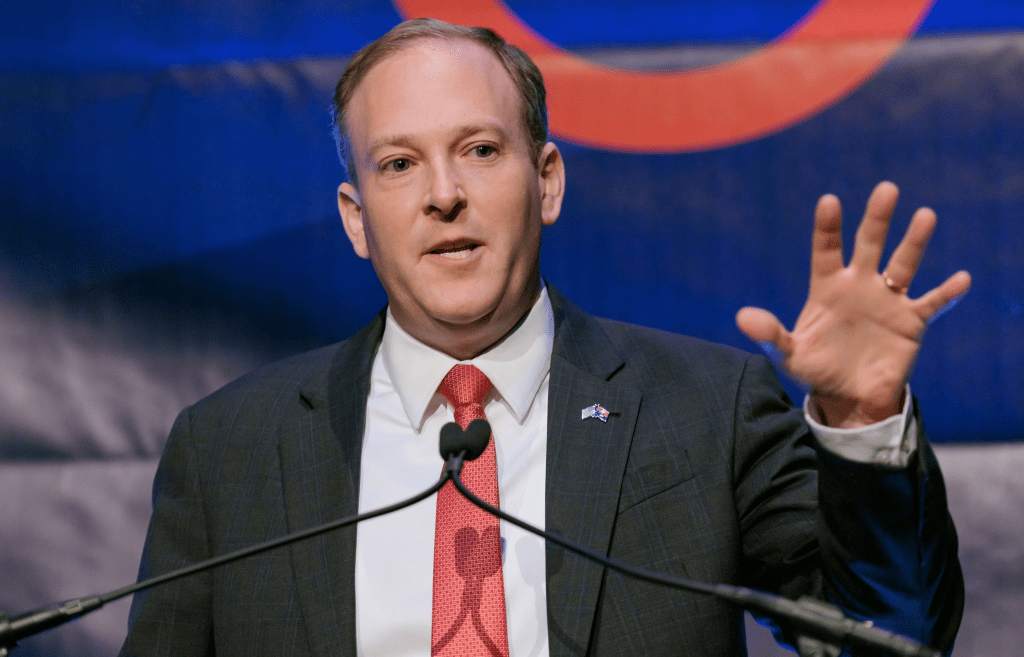
President-elect Donald Trump’s appointment of Lee Zeldin to lead the Environmental Protection Agency (EPA) signals a significant shift in the U.S. approach to environmental regulation and climate change. Zeldin, a former New York congressman and staunch Trump ally, is expected to spearhead efforts to dismantle key Biden-era environmental policies, including regulations on power plant emissions and vehicle pollution. If confirmed, Zeldin’s leadership could have substantial consequences for the U.S. role in combating climate change and the development of renewable energy.
Zeldin’s nomination reflects Trump’s commitment to an aggressive deregulation agenda. Trump has made it clear that he sees environmental regulations as obstacles to economic growth and energy independence, vowing to roll back policies that, he claims, increase energy costs and burden industries. With Zeldin at the EPA’s helm, the administration is likely to target rules established under the Inflation Reduction Act, which channeled significant funds into clean energy projects and set stringent standards for emissions. Reducing or removing these policies would impact the progress made toward a greener energy grid, possibly hindering the U.S.’s ability to meet global climate targets.
While Zeldin was a member of bipartisan groups like the Climate Solutions Caucus, his environmental voting record has been mixed, with a lifetime score of only 14 percent from the League of Conservation Voters. Zeldin’s past support for watershed protection programs and PFAS chemical regulations shows a willingness to address some environmental issues, but these efforts fall short of a comprehensive climate strategy. Zeldin’s stance on issues like fracking, pipeline expansion, and opposition to phasing out gas-powered cars highlights his alignment with Trump’s priorities on energy production over emissions reduction.
Environmental groups have voiced strong opposition to Zeldin’s nomination, arguing that his lack of commitment to climate action could undermine years of progress. The Sierra Club, for instance, warns that Zeldin’s appointment could allow corporate polluters to influence policy, risking public health and environmental protection. However, some moderates, including former Climate Solutions Caucus co-founder Carlos Curbelo, suggest that Zeldin’s history of bipartisan environmental work may enable him to take a balanced approach. Whether this balance can extend to meaningful climate action remains uncertain, especially given Trump’s emphasis on energy deregulation.
Zeldin’s potential impact goes beyond U.S. borders. As one of the largest global emitters, the U.S. plays a critical role in setting international climate standards. A regulatory rollback at the EPA under Zeldin could weaken the country’s commitment to global climate agreements and discourage other nations from strengthening their environmental policies. Reducing U.S. support for renewable energy and emissions standards could lead to slower global adoption of clean energy technologies, exacerbating the challenge of addressing climate change on a worldwide scale.
The direction the EPA takes under Zeldin will test the resilience of the renewable energy sector and state-led climate initiatives within the U.S. While some states and industries are committed to reducing emissions, the lack of federal support may slow their progress and make the transition more difficult. As the world watches COP29 and other international climate efforts, the U.S. could find itself out of step with global climate goals if Zeldin follows through on Trump’s deregulatory agenda.
In sum, Zeldin’s appointment to the EPA reflects a shift toward prioritizing traditional energy sources and loosening environmental regulations. This approach could stymie renewable energy development, reduce federal support for climate action, and potentially set back international progress on climate change, raising concerns about the U.S.’s environmental future.
 Energy Outlook
Leave a comment