By: Jacob Kim
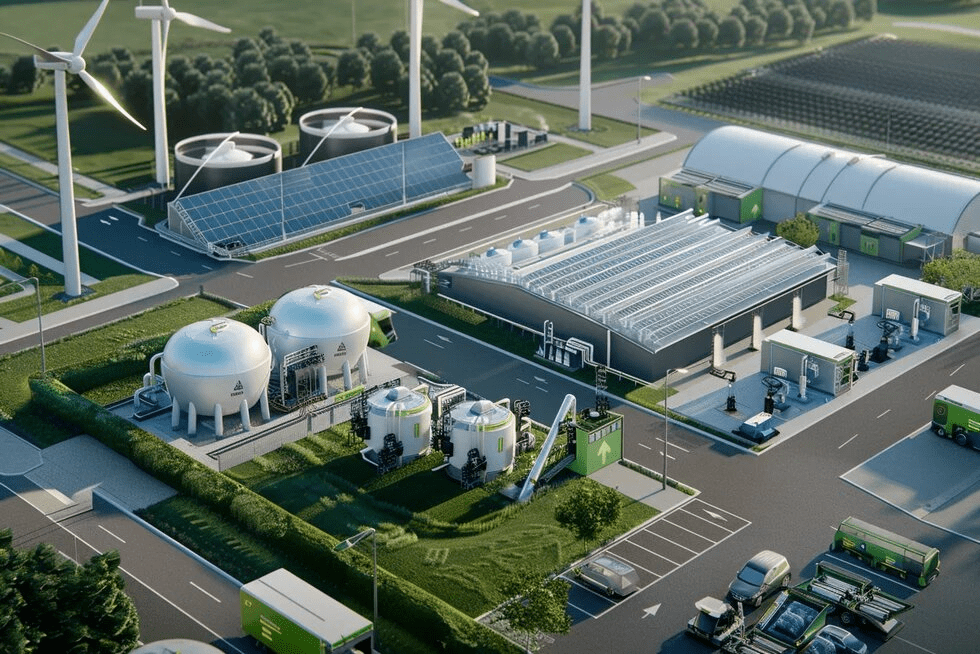
The emergence of competitive pricing for green hydrogen, championed by companies like Hygenco Green Energies Pvt Ltd., is reshaping the conversation about hydrogen-fueled vehicles and their potential as a sustainable alternative in the transportation sector. By achieving cost reductions that position green hydrogen below the price of traditional grey hydrogen in India, Hygenco is signaling a turning point that could make hydrogen-powered vehicles more economically viable.
Historically, grey hydrogen, produced from natural gas, has dominated the market due to its lower cost, typically ranging from $2.70 to $4 per kilogram in India. However, the reliance on imported natural gas has kept these prices volatile. Hygenco’s advancements have challenged this dynamic by making green hydrogen—produced using renewable energy sources—cheaper for certain long-term contracts. This achievement is largely attributed to reduced costs in renewable energy production and streamlined hydrogen manufacturing processes. With green hydrogen becoming more affordable, the prospect of scaling up hydrogen-fueled vehicle adoption becomes more realistic.
Hygenco’s ability to reduce costs is a result of targeted investments in technology and operational efficiencies. By implementing advanced energy management systems, incorporating IoT, AI, and machine learning, Hygenco has optimized production in real-time, significantly lowering expenses. Such technological improvements not only support the feasibility of green hydrogen but also pave the way for broader market applications, including hydrogen-powered vehicles.
Moreover, industry players like Avaada Group are using AI and analytics to enhance efficiency and cut down on the electricity needed for production. These collective efforts are expected to lower the cost of green hydrogen to as little as $1-$2 per kilogram, making it highly competitive with both grey hydrogen and conventional fossil fuels. This downward price trend could make hydrogen-fueled vehicles a cost-effective option, addressing a critical barrier to adoption: fuel affordability.
The shift towards competitive pricing in green hydrogen production is not exclusive to Hygenco. Companies such as Reliance Industries, Adani Group, and Thermax are also working to scale up and innovate in this space. The potential ripple effects for the transportation industry are significant. Hydrogen-fueled vehicles, which emit only water vapor, could become a mainstream option as green hydrogen becomes more accessible and affordable.
Lower hydrogen costs could encourage automakers to increase investments in hydrogen fuel cell vehicle (FCV) technology, expand their offerings, and boost production. This would enhance consumer choice and accelerate the shift from conventional fuel-powered vehicles to cleaner alternatives. As hydrogen becomes more economically feasible, the cost of refueling hydrogen vehicles could decrease, making them a practical option for consumers and businesses alike.
The role of government policies is crucial in supporting this transition. India’s targets to produce green hydrogen at $1.50 per kilogram by 2030, coupled with incentives like reduced import duties on critical machinery, are designed to bolster the industry and make green hydrogen a more appealing option for large-scale applications, including transportation.
Despite these positive trends, challenges remain. The initial infrastructure investment required for green hydrogen production and distribution is substantial, and logistical issues such as storage and transport need solutions to support widespread use. However, with ongoing innovation and investments by companies like Hygenco and supportive policy measures, these barriers are being addressed.
The future of hydrogen-fueled vehicles looks promising as green hydrogen becomes more affordable. The combination of decreasing production costs, government incentives, and continuous technological advancements positions hydrogen as a key player in sustainable transportation. If these trends continue, hydrogen-powered vehicles could become a common sight on the roads, contributing to global efforts to reduce carbon emissions and achieve energy independence.
Hygenco’s success in making green hydrogen more cost-effective than grey hydrogen signals a pivotal moment for the energy sector and the automotive industry. This progress opens up a new chapter for hydrogen-fueled vehicles, making them a more feasible and attractive option for consumers. As the market evolves and prices continue to fall, the potential for a hydrogen-driven future becomes increasingly tangible, paving the way for a cleaner, more sustainable transportation landscape.
Sources
https://www.hydrogenfuelnews.com/green-hydrogen-cheaper-grey-india/8567913/
 Energy Outlook
Leave a comment