By: Connor Choe
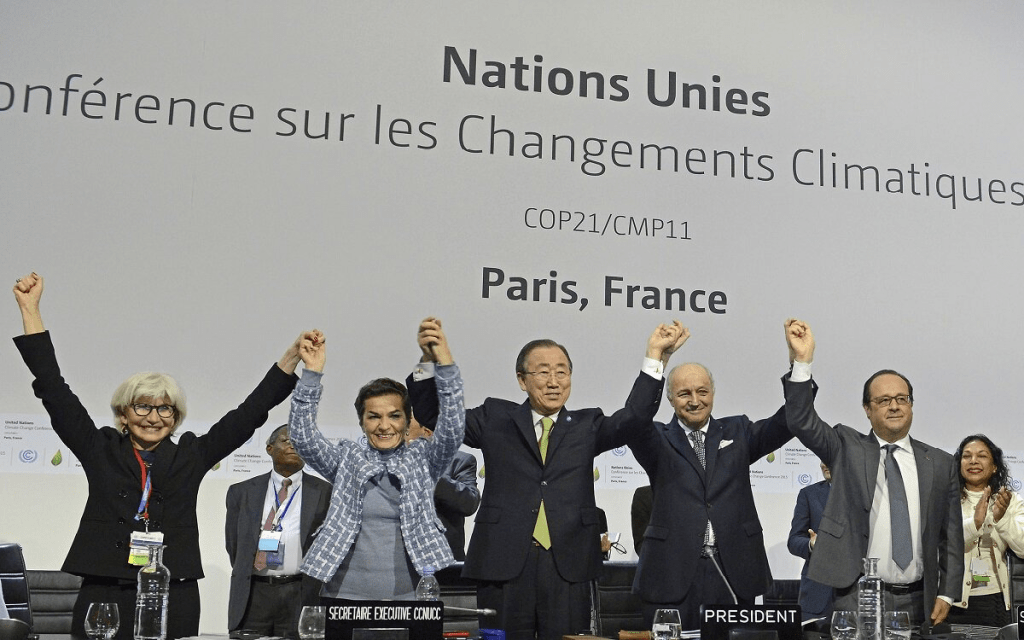
The Paris Climate Agreement, adopted in 2015, brought together 194 countries and the European Union to address the existential threat of climate change. While the agreement’s ambition to cap global temperature rise well below 2°C and aim for 1.5°C above pre-industrial levels was historic, its core mechanism for international cooperation, Article 6, has faced widespread criticism for its lack of enforcement, susceptibility to greenwashing, and perpetuation of global inequalities. The CLEAN (Carbon Limits for Equitable Action and Neutrality) protocol proposes to remedy these flaws with a robust, structured approach that prioritizes transparency, equity, and real emissions reduction.
The Current Flaws in Article 6
Voluntary Participation Without Accountability: The Paris Agreement’s strength lies in its near-universal participation. However, the voluntary nature of its commitments has created uneven compliance. Without binding targets or consequences, countries can opt in or out based on political convenience. This loophole was highlighted when the U.S., under the Trump administration, withdrew from the agreement, stalling global progress.
Weak Global Oversight: Article 6 assigns oversight to the Conference of Parties (COP), which meets annually to discuss climate strategies. However, the body has been criticized for being ineffective in ensuring that carbon markets drive genuine emissions reductions. The CLEAN protocol aims to establish a more ethical and effective global regulatory body.
The CLEAN Protocol: Redefining Climate Governance
1. A Unified Global Climate Priority: CLEAN recognizes that addressing climate change must be the highest international policy priority. The protocol envisions a global cap-and-trade system as a central mechanism to limit emissions while incentivizing innovation in green technologies. This system will ensure that environmental sustainability aligns with economic growth.
2. Shared Responsibility Through Global Cooperation: CLEAN emphasizes that all countries must participate in emissions reduction, with responsibilities tiered based on economic capacity and historical emissions. Developed nations, as the largest historical emitters, will bear the greatest initial reduction targets, while developing nations will receive support to transition to greener technologies.
3. Tiered Participation for Fair Implementation:
- Tier 1 (Developed Nations): Subject to the strictest emissions reduction targets, reducing emissions by a designated percentage each year to achieve net-zero by 2050.
- Tier 2 (Developing Nations): Have gradual targets to enable sustainable growth, supported by incentives like technology transfers and financial aid.
- Tier 3 (Least-Developed Nations): Permitted higher emissions caps to support economic development, with international assistance to build renewable energy infrastructure.
4. Enforcing Global Carbon Caps: CLEAN will implement a science-backed global emission cap aligned with keeping global temperature rise below 1.5°C. This cap will decrease annually, compelling countries to make continuous emissions cuts. National emissions allowances will be set proportionally, considering population, historical emissions, and development status.
5. Establishing Carbon Pricing: The CLEAN protocol mandates a global carbon price floor of $75 per ton to ensure a meaningful incentive for emissions reduction. This measure combats the historically low pricing in carbon markets, which often fails to drive significant climate action.
6. Strengthened Standards for Carbon Offsets: To combat greenwashing and ensure the integrity of carbon markets, CLEAN enforces rigorous standards for carbon offsets. Projects must be verifiable, additional, and permanent. Independent verification bodies will audit offset projects to prevent double counting and guarantee measurable results.
7. Fossil Fuel Extraction Penalties: CLEAN introduces a carbon penalty tax on the extraction of coal, oil, and gas, disincentivizing reliance on fossil fuels. Revenue from these penalties will be reinvested in global renewable energy projects.
8. Robust Compliance and Enforcement: A new, independent global regulatory body will oversee compliance. Countries and corporations must report emissions and carbon credit transactions annually. Non-compliance will result in strict penalties, such as financial sanctions and trade restrictions.
9. Support for Developing Nations: CLEAN ensures equitable climate action by providing financial aid and technology transfer to developing nations. A portion of carbon market revenue will fund the Green Development Fund, supporting renewable energy initiatives, climate resilience projects, and sustainable growth in less-developed regions.
10. Regular Global Carbon Stocktakes: To monitor progress, CLEAN mandates global stocktakes every five years. These assessments will inform adjustments to emissions targets and carbon caps, ensuring that climate strategies remain aligned with scientific recommendations.
The End Goal of CLEAN
CLEAN is a response to the urgent need for a more enforceable, transparent, and equitable global climate strategy. Unlike the voluntary measures of the current Paris Agreement, CLEAN establishes a pathway where compliance is mandatory, and progress is measurable. The global regulatory body established by CLEAN will dissolve once net-zero is achieved and the climate crisis is averted, underscoring the protocol’s focus on solving an immediate existential threat rather than creating a permanent institution.
Conclusion
The CLEAN protocol is an ambitious but essential reform that promises to fill the gaps left by Article 6 of the Paris Agreement. By implementing stronger enforcement, equitable tiered participation, and rigorous standards for emissions reductions, CLEAN offers a comprehensive framework to address climate change effectively. This protocol shifts the focus from symbolic pledges to decisive action, ensuring that nations and corporations alike are held accountable in the fight to secure our planet’s future.
https://app.shorthand.com/organisations/ZeqEvKpNDk/stories/eJ19ayFvwM
 Energy Outlook
Leave a comment