By: Jacob Kim
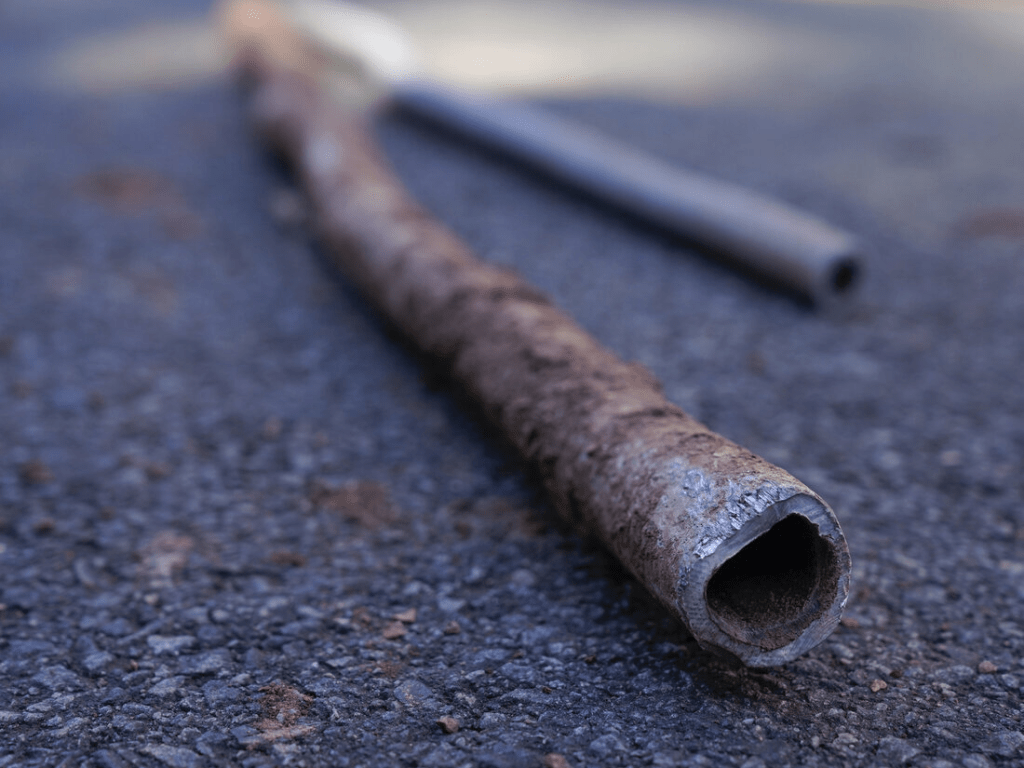
The U.S. Environmental Protection Agency’s new Lead and Copper Rule Improvements (LCRI) represent a crucial step toward addressing the widespread issue of lead contamination in drinking water, with nearly all communities being required to replace lead service lines within 10 years. However, Chicago, the city with the largest number of lead service lines—around 400,000—has been given 20 years to complete this process due to the sheer scale of its problem. For residents like Gina Ramirez, who lives in a community disproportionately impacted by environmental hazards on the South Side, this extended timeline feels like a continued failure to prioritize public health. Residents in these areas not only deal with lead in their water but also face higher air pollution levels and contaminated soil from industrial waste, compounding the environmental justice challenges they face.
Ramirez, like many others, has relied on filtered water for her family for years, but she remains frustrated by the long wait for systemic solutions. The cost of replacing lead service lines, which can range from $15,000 to $40,000 per residence, presents another obstacle. While some residents may qualify for free replacements based on income, many are left to cover the costs themselves. Additionally, there’s the issue of gaining access to private property to replace lead lines, which can be difficult in communities where residents may be wary of city officials entering their homes due to concerns about illegal apartments, immigration status, or a lack of trust in government institutions.
Education around the risks of lead exposure is another challenge. Many residents are unaware that they even have lead pipes or how dangerous lead can be, especially for children under six, who are most vulnerable to lead poisoning. Organizations like Bridges // Puentes have been working to bridge this gap, holding community events to raise awareness and distribute water filters to families in need. However, much more needs to be done to inform residents about the risks and the steps they can take to protect themselves.
The consequences of lead exposure are severe and long-lasting, from cognitive and behavioral issues in children to reproductive and cardiovascular problems in adults. Lead contamination in Chicago’s water is just one aspect of the broader environmental injustice faced by communities like those on the South Side. For these residents, the timeline for replacing lead service lines feels like yet another delay in addressing the environmental harm they’ve endured for decades.
Looking ahead, the success of Chicago’s lead service line replacement program will depend on both political will and community engagement. Advocates are calling for the city to take responsibility for covering the cost of replacements, rather than passing it on to homeowners. In addition, there’s a need for stronger outreach efforts to ensure that residents are aware of the health risks and their rights to have lead pipes replaced. As other cities race to remove lead service lines in five to ten years, Chicago’s slower timeline raises concerns about equity. Communities already suffering from environmental harm shouldn’t have to wait decades for a basic public health issue to be addressed.
Ramirez’s frustration is understandable, especially considering the stark differences in life expectancy between Chicago’s north and south sides. Environmental justice is at the heart of this issue, and for communities like hers, the removal of lead pipes is one of the more straightforward solutions to an otherwise complex web of environmental health challenges. It’s time for the city to prioritize the health of its most vulnerable residents and take swift action to remove the lead service lines that continue to jeopardize their futures.
Source
https://insideclimatenews.org/news/23102024/chicago-lead-pipes-risk/
 Energy Outlook
Leave a comment