By: Jacob Kim
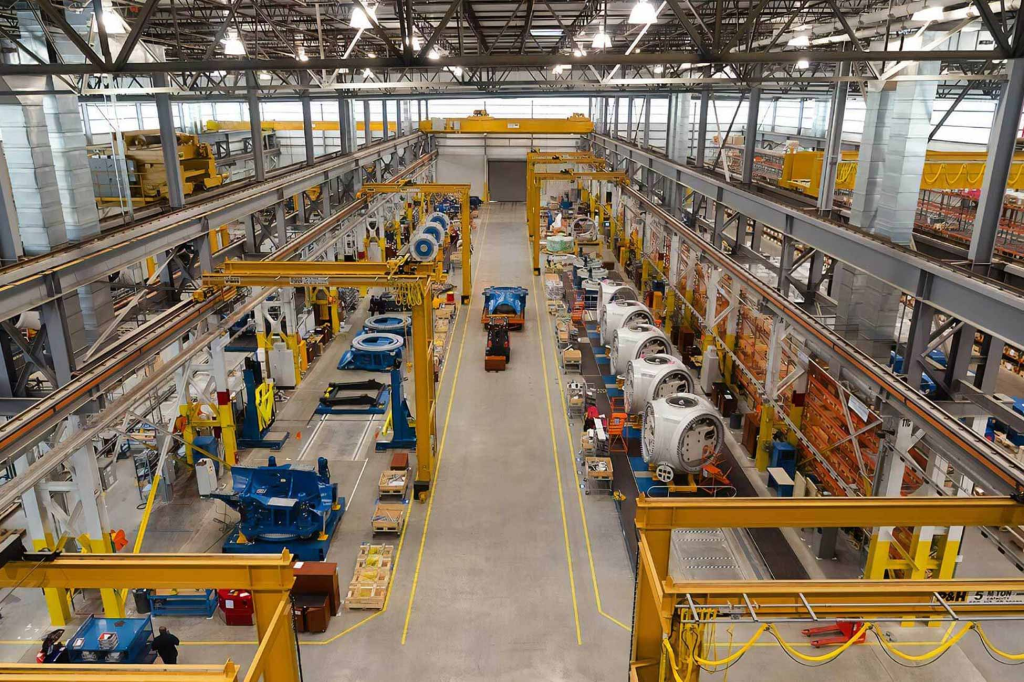
A recent study from UC Davis has brought to light the significant environmental damage caused by producing materials like steel, plastics, and cement in the U.S. every year. The research team, led by engineers and economists, found that this production alone is responsible for $79 billion in climate-related damage annually—costs that aren’t reflected in the market prices we pay for these materials. By examining nine common materials—aluminum, steel, brick, cement, lime, gypsum, asphalt, glass, and plastics—the team gathered data on the energy used and the greenhouse gases emitted during the manufacturing process. Using the EPA’s Social Cost of Carbon standard, which estimates the broader costs of carbon emissions, the study calculated the hidden price we’re paying through the damage inflicted on the environment and society.
In 2018, 370 million tons of these materials were produced in the U.S., leading to 427 million tons of carbon dioxide emissions. What’s striking is that nearly half of the climate costs come from the manufacturing processes themselves—not just the energy used to power the factories. Take cement, for example: it generates large amounts of carbon dioxide not just because of the energy required to make it, but because of the chemical reactions involved in its production. This means that even if we switch to renewable energy sources, we won’t fully solve the problem without finding new ways to manufacture these materials or developing better alternatives.
The study makes a powerful case for why we need to rethink how we price and produce these materials. If market prices were adjusted to account for their true environmental cost, it could create a huge incentive to develop new, more sustainable materials and manufacturing processes. For example, alternative materials like biomass-based plastics or additives that can replace some of the cement in concrete could help reduce emissions. But right now, because we’re not paying for the full damage these materials cause, there’s little push to make that change.
Looking at the future, this study offers a clear warning but also a path forward. We’ve known for some time that industries are major contributors to climate change, but this research shows just how much of the damage is hidden in plain sight. Incorporating the real costs of climate damage into material prices could be a game-changer for sustainability, driving innovation and making climate-friendly alternatives more viable. That said, implementing such changes is likely to face some opposition. Raising the prices of materials like steel and plastics—things we use every day—could create economic challenges in the short term, especially for industries tied closely to those materials. But as the effects of climate change become harder to ignore, making these changes will be increasingly necessary.
In my perspective, this study presents both a challenge and an opportunity. The challenge lies in getting industries and policymakers to embrace the need for change, even if it means higher costs in the short term. But the opportunity is exciting: by addressing the hidden environmental costs of production, we could spur a new wave of innovation in materials science, leading to more sustainable production methods and a future where industries are part of the climate solution rather than a key driver of the problem. It’s a difficult road, but it’s one that will become increasingly crucial if we want to mitigate the impacts of climate change before they become irreversible.
Sources
https://www.ucdavis.edu/news/assessing-real-climate-costs-manufacturing
 Energy Outlook
Leave a comment