By: Jacob Kim
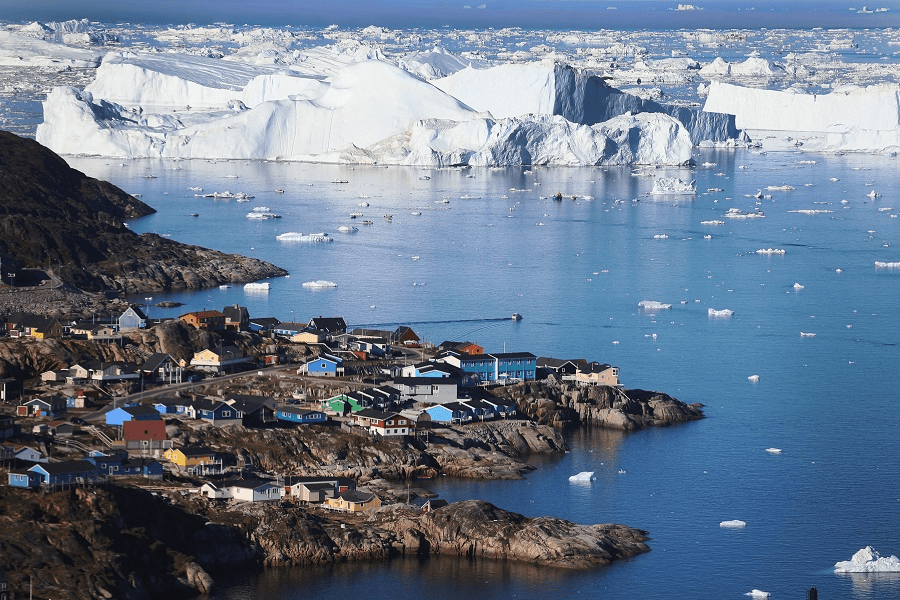
The proposal to recognize Antarctica as an autonomous legal entity, with inherent rights and a voice in climate discussions, is a bold step toward reshaping how global governance addresses environmental issues. Antarctica, though uninhabited by humans, plays a critical role in Earth’s climate systems, influencing ocean currents, sea levels, and weather patterns worldwide. Despite this, the continent has largely been excluded from global decision-making processes, such as U.N. climate talks.
The new draft declaration from Antarctic Rights aims to change that by granting the region legal standing similar to that of a nation-state. This would allow Antarctica to participate in discussions and decisions that impact its ecosystems, potentially providing a “pure voice for nature” in international governance. Proponents argue that this approach could help mitigate some of the limitations of the current nation-state system, which is often criticized for its short-term focus on human interests at the expense of environmental protection.
The idea is part of the broader rights of nature movement, which has gained traction in recent years with court rulings and laws in several countries recognizing ecosystems and species as having inherent rights. Applying this concept to an entire continent, however, is unprecedented. Given Antarctica’s unique role in stabilizing the Earth’s climate, advocates believe that elevating its status could lead to more effective protection of its fragile ecosystems, which are currently threatened by warming temperatures, melting ice, and biodiversity loss.
In my view, the proposal to give Antarctica a seat at the table is an innovative and necessary evolution in environmental governance. Climate change and biodiversity loss are global problems that transcend national borders, and Antarctica’s fate directly impacts the entire planet. Including the continent in climate talks would not only bring greater attention to its importance but could also signal a shift toward more holistic, long-term thinking in global governance. However, implementing this idea will require overcoming significant legal and political hurdles, as it challenges the established framework of international law. Nonetheless, with Antarctica on the brink of irreversible change, this bold proposal may offer a new way forward in the fight against climate change.
Sources
https://insideclimatenews.org/news/27102024/antarctica-rights-declaration/
 Energy Outlook
Leave a comment