By: Jacob Kim
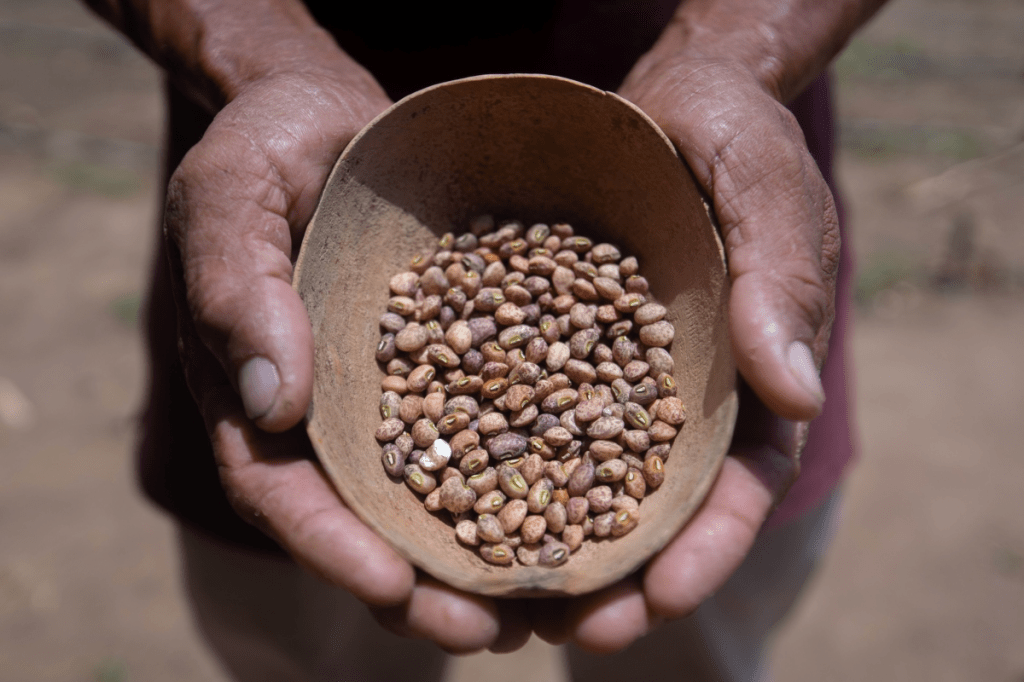
The Wayuu people of La Guajira, Colombia, have long relied on the resilience of the Guajiro bean (Vigna unguiculata L.) to endure the harsh, arid conditions of their homeland. As climate change brings increasingly unpredictable weather patterns, this drought- and flood-resistant bean has emerged as a key resource in their adaptation efforts. Cultivated for centuries, the Guajiro bean is not only a vital food source but also a cultural symbol of resilience and survival. Its quick growth cycle, deep roots, and high nutritional value make it a critical asset for the Wayuu, whose traditional way of life is now threatened by more extreme climatic events such as prolonged droughts and irregular rains.
Recent efforts by the United Nations’ Food and Agriculture Organization (FAO) and partners have focused on enhancing the community’s resilience to climate change by integrating traditional knowledge with modern agricultural innovations. Utilizing clean energy-powered pumps and drip irrigation systems, Wayuu communities are transforming their once barren lands into productive oases, enabling year-round cultivation. The FAO-led SCALA program is also working to bridge traditional agricultural practices with new climate adaptation measures, helping the Wayuu to not only sustain their food security but also preserve their cultural heritage.
In my opinion, this blend of traditional knowledge and modern innovation represents a promising path forward for Indigenous communities facing the impacts of climate change. The adaptability of crops like the Guajiro bean demonstrates the importance of preserving agrobiodiversity as a tool for resilience. However, continued support and investment will be essential to ensure that these communities have the resources they need to thrive in an increasingly unpredictable climate. The success of such initiatives in La Guajira can serve as a model for other regions, proving that integrating indigenous wisdom with contemporary solutions is key to building climate resilience.
Sources
https://www.fao.org/newsroom/story/drought-or-flooding-are-no-match-for-this-climate-adapted-bean/en
 Energy Outlook
Leave a comment