By: Jacob Kim
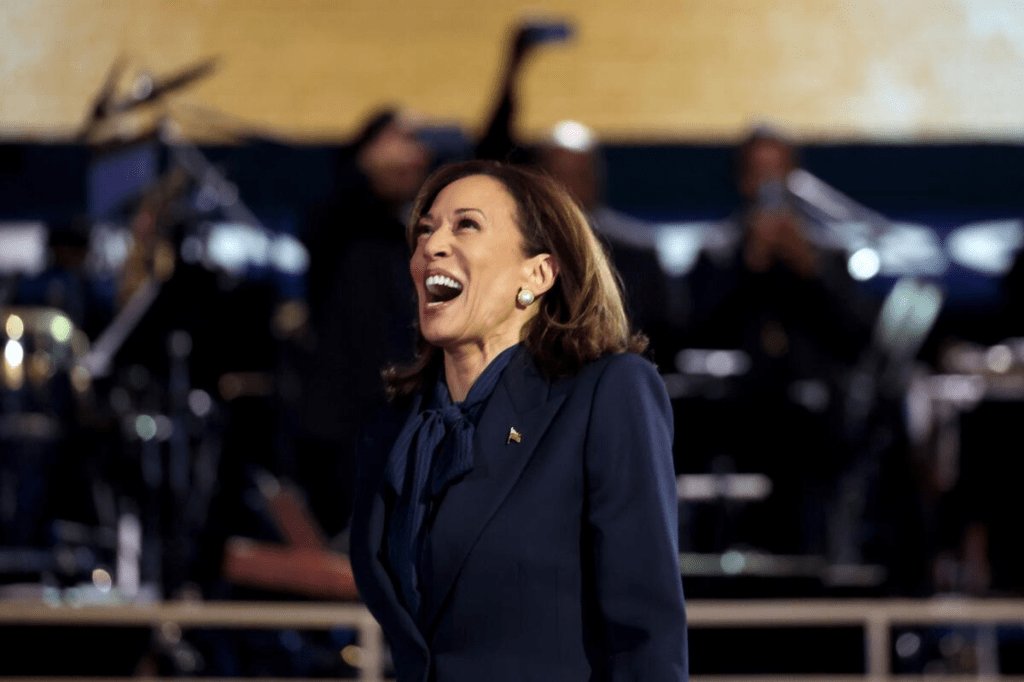
Vice President Kamala Harris is facing criticism for her shift in stance on oil production and climate change, following her rise to the Democratic presidential nomination. During her 2019 bid for the presidency, Harris was vocal about holding oil companies accountable for their role in climate change. She called for an investigation into major players like Chevron and Shell, advocating for fines and potential criminal charges, stating that these companies were “profiting off pollution.” This strong stance aligned with her position on reducing reliance on fossil fuels and pushing for climate justice.
However, since becoming vice president, Harris has taken a different approach, touting the Biden administration’s record of boosting domestic oil production. During a debate with former President Trump, she highlighted that the U.S. has seen the “largest increase in domestic oil production in history” under the Biden-Harris administration. This statement marks a significant shift from her earlier position, where she was a fierce critic of the oil industry.
Critics, particularly from conservative media and industry groups, have pointed out this apparent flip-flop. CNN’s Erin Burnett noted that Harris’ recent comments sharply contrast with her previous stance. Groups like the U.S. Oil and Gas Association have accused Harris of taking credit for the growth in oil production despite the administration’s regulatory actions that have reportedly made operations more challenging for the industry. The association argued that the increase in production occurred “in spite of” the Biden administration’s policies, rather than because of them.
Harris’ recent comments about the importance of increasing domestic oil production come as the Biden administration faces pressure to balance climate goals with economic and energy security. Harris defended the administration’s dual approach—investing heavily in clean energy while acknowledging the ongoing need for domestic oil production. She has argued that reducing reliance on foreign oil is a critical component of ensuring American energy security, particularly in light of geopolitical tensions and global supply issues.
Environmentalists, who initially championed Harris’ strong climate platform, have expressed disappointment. They question how she can reconcile the administration’s investments in renewable energy with the simultaneous celebration of record-high oil production. The tension between these two goals reflects a broader debate within the Democratic Party on how to transition the economy toward greener energy sources while managing the current realities of energy demand.
Oil industry representatives, such as Jeff Eshelman, president of the Independent Petroleum Association of America, have responded positively to Harris’ recent remarks, recognizing the acknowledgment that the U.S. needs a strong domestic oil industry. Eshelman emphasized that American oil and gas production adheres to some of the highest environmental standards in the world and that reducing reliance on foreign energy is essential for national security.
As the election season continues, Harris’ evolving stance on oil production and climate change is likely to remain a focal point. Her balancing act—between supporting renewable energy and addressing the immediate energy needs of the U.S.—illustrates the complexities of governing in a time of both climate crisis and economic uncertainty. The debate over how best to manage this transition will be critical in shaping her campaign and the public’s perception of her leadership on climate issues.
Sources
 Energy Outlook
Leave a comment