By: Jacob Kim
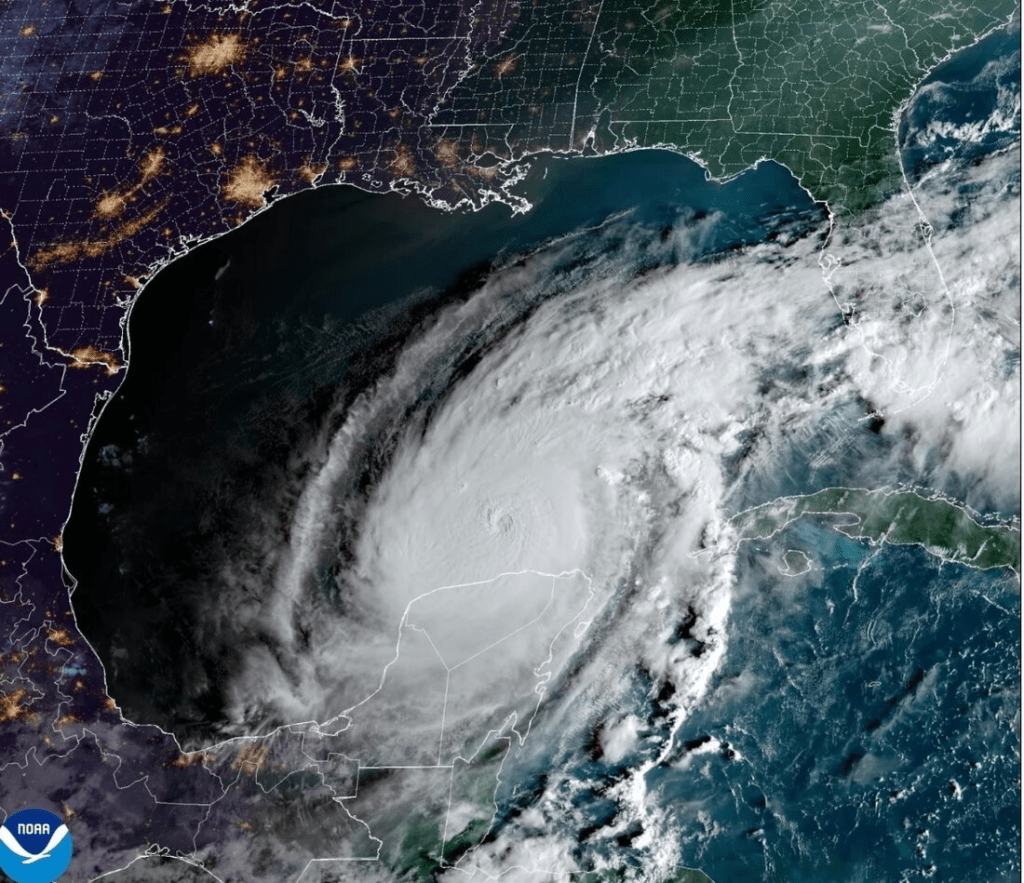
As Hurricane Milton tore through Florida, leaving behind a trail of devastation, it became yet another glaring example of a disturbing trend: natural disasters are becoming stronger, more unpredictable, and more destructive. The storm’s rapid intensification, its unusual barrage of tornadoes, and the sheer scale of the damage are all symptoms of a changing climate. Yet, despite the mounting evidence, we continue to act as though these events are anomalies rather than the new reality. It’s time to face the truth: climate change is rewriting the rules of nature, and we can no longer afford to ignore the warning signs.
Over the past few decades, climate scientists have been sounding the alarm that rising global temperatures would lead to more frequent and severe natural disasters. Hurricanes like Milton are a direct result of this warming. Oceans, particularly in areas like the Gulf of Mexico, are now warmer than ever, providing an endless supply of energy for storms to feed off of. This heat acts as a turbocharger, fueling rapid intensification and leading to hurricanes that transform from mild tropical storms into catastrophic Category 4 or 5 monsters in a matter of days. The result? Communities have less time to prepare, and the damage inflicted is magnified.
Milton is not an outlier—it’s a pattern. Over the past few years, we’ve seen hurricanes like Ida, Harvey, and Dorian follow similar trajectories, growing in intensity at breakneck speed and causing widespread devastation. We’ve watched wildfires ravage parts of the U.S., Australia, and Europe with unprecedented ferocity. Floods, droughts, and heatwaves are becoming common in places that once considered themselves safe from such disasters. Climate change is no longer a future threat; it’s here, and it’s reshaping the world in ways we’re still struggling to comprehend.
What’s particularly disturbing is how unprepared we remain in the face of these disasters. As Hurricane Milton approached, more than seven million people were told to evacuate. While many heeded the warning, others didn’t have the luxury of time or resources. The reality is that rapid intensification gives people less time to escape, and infrastructure built for a different climate era simply can’t withstand the kind of storms we now face. It’s not just about stronger winds or higher storm surges—it’s about entire cities losing power, transportation networks crumbling, and millions of people being left stranded in the aftermath.
But there’s another, more insidious issue at play: denial. Despite overwhelming evidence, too many people—including political leaders—continue to downplay the role of climate change in fueling these disasters. This isn’t just ignorance; it’s willful negligence. By failing to connect the dots between climate change and extreme weather, we are delaying the systemic changes needed to protect communities and mitigate future disasters. And as we delay, more lives, homes, and ecosystems are destroyed.
Take Milton’s tornadoes, for example. This storm unleashed dozens of powerful twisters, which are unusual for hurricanes, and these tornadoes were more intense and longer-lasting than typical storm-related tornadoes. This is climate change in action, altering the dynamics of natural disasters in ways we didn’t fully anticipate. Yet, when the storm passed, conspiracy theories about geo-engineering and AI-generated images flooded social media, muddying the conversation and distracting from the real issue at hand: the urgent need to address the root cause of these disasters—global warming.
The damage from Hurricane Milton is expected to reach $50 billion, but the true cost of inaction on climate change is far greater. Every time we rebuild after a hurricane, a wildfire, or a flood, we are essentially laying down sandbags against a rising tide. Without meaningful action, we will continue to pour billions into recovery efforts while the underlying problem—our reliance on fossil fuels and unsustainable practices—goes unaddressed.
It’s time to get serious about climate resilience. Strengthening our energy grid, as President Joe Biden noted in the wake of the storm, is a step in the right direction. But we need more. We need to stop building in high-risk areas, invest in green infrastructure, and create sustainable communities that can withstand the increasing severity of natural disasters. Most importantly, we need global leadership that takes the climate crisis seriously—leadership that prioritizes emissions reduction, invests in renewable energy, and supports climate adaptation measures for vulnerable populations.
There is a human cost to every storm like Milton, every wildfire in California, every flood in Germany or Pakistan. And that cost is only growing. We must recognize that climate change is not just an environmental issue—it’s a human issue. It affects our homes, our livelihoods, and our futures. If we continue to ignore the “fingerprints of climate change” on natural disasters, we are choosing to let the planet—and the people who inhabit it—suffer.
The urgency is undeniable. Climate change is here, and it is driving the extreme weather events that are reshaping our world. We must act now, before the next hurricane, wildfire, or flood forces us to face the consequences of our inaction once again. The time for denial is over; the time for climate action is now.
Sources
 Energy Outlook
Leave a comment