By: Jacob Kim
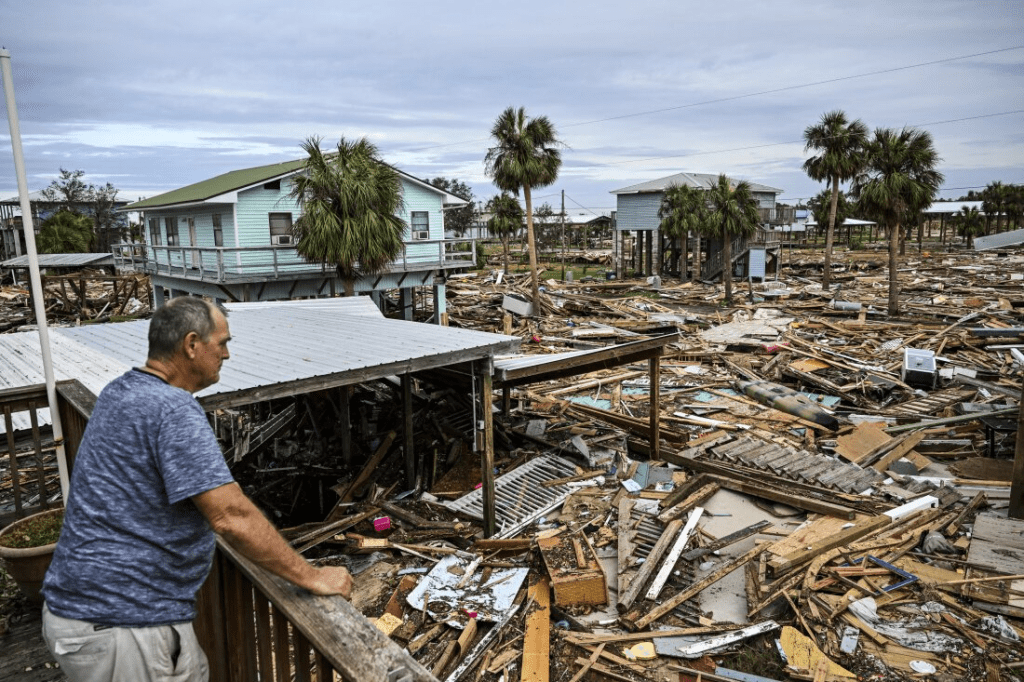
Hurricane Helene, a Category 4 storm, recently made landfall in Florida, but the most severe destruction occurred far from the coast in Western North Carolina. This inland devastation highlights a growing issue—no place is truly safe from the impacts of climate change, even regions once thought of as “climate havens.” Communities like Asheville, nestled in the hills and known for its temperate climate and abundance of freshwater, were long considered safer from the effects of global warming. However, the storm demonstrated that these assumptions are no longer valid.
As global temperatures rise, the atmosphere can hold more moisture, leading to heavier rainfall and more intense storms. This phenomenon, well-documented by climate scientists, is already leading to more frequent extreme weather events. Hurricanes like Helene, which caused widespread damage hundreds of miles inland, reveal that climate change is a present and growing threat, not just a future concern. No area is completely immune, even those that once seemed insulated from the worst effects of global warming.
The idea that certain places are completely “safe” from climate change is being challenged as more communities experience these disasters. While some regions may be relatively safer than others, no location is entirely protected from climate risks. Even in so-called climate havens, extreme weather can cause significant damage, forcing communities to reassess how they prepare for these threats.
Millions of people in the U.S. may eventually need to relocate as rising risks make their current homes more vulnerable. Resources like FEMA’s risk maps can help individuals assess the dangers they may face, but community resilience depends on much more. The effectiveness of local governance, infrastructure, and community preparedness all play critical roles in determining whether a region can withstand the growing pressures of climate change.
Despite these risks, people are still moving into high-risk areas, often without fully understanding the dangers. Coastal regions, in particular, continue to attract new residents, even as storms repeatedly damage homes and infrastructure. Governments play a crucial role in signaling whether it is safe to rebuild in vulnerable areas, and a shift in public policy is needed to guide people toward safer locations and support relocation efforts when necessary.
The infrastructure and communities that were built for a different climate era are now facing an uncertain future. As storms grow more powerful and frequent, the homes, businesses, and roads that once seemed secure are increasingly at risk. This calls for a shift in how society approaches living and planning for the future, with a focus on moving away from areas with the highest risks and preparing communities for new climate realities.
As the impacts of climate change become more severe, we must act more decisively. In addition to reducing emissions to slow further warming, resources must be directed toward helping vulnerable populations relocate from dangerous areas. Not all regions can be protected, and decisions about where to invest in defenses must be made carefully. This strategic approach will allow communities to adapt and safeguard themselves from the escalating dangers of climate change.
Hurricane Helene’s inland destruction is a clear reminder that climate change is already reshaping lives and landscapes. As storms grow stronger and more unpredictable, no region is completely insulated from these changes. Communities everywhere must prepare for the new challenges ahead, as the idea of a completely “safe” place from climate change is quickly fading.
 Energy Outlook
Leave a comment