By: Jacob Kim
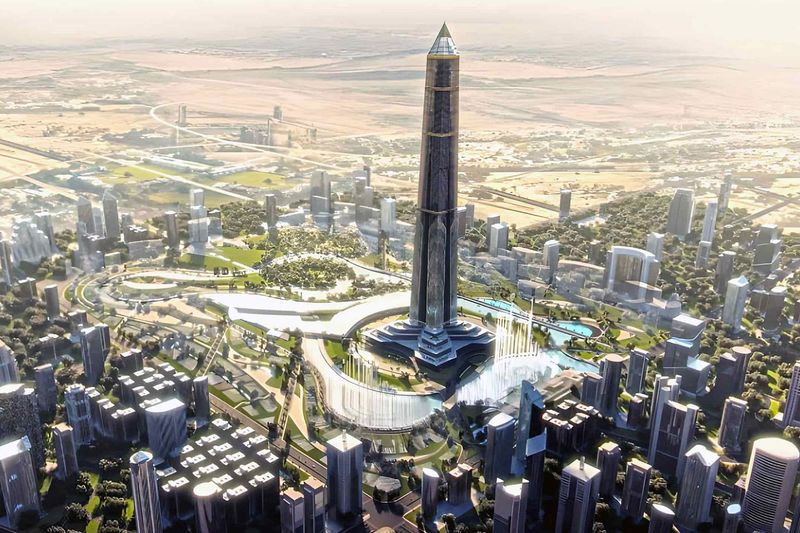
Egypt’s Forbes International Tower in the New Administrative Capital is an ambitious example of sustainable architecture, designed to be powered primarily by clean hydrogen and supplemented by solar panels. Aiming for a net-zero carbon footprint, it showcases how skyscrapers can be designed with sustainability at their core, using cutting-edge technology to reduce environmental impact. This project is not just innovative; it’s a potential blueprint for future urban developments around the world.The tower will use hydrogen stored via Liquid Organic Hydrogen Carriers (LOHC), which enables safe, scalable storage and transport of hydrogen. Combined with solar panels, the building will rely on clean energy sources for power, cutting its carbon emissions drastically. Additionally, the building will use materials with low-embodied carbon to reduce the environmental footprint of construction by 58%. Water recycling systems will also cut down on freshwater use, a critical step for sustainability in a water-scarce region like Egypt.As cities worldwide face rising energy demands, the Forbes International Tower serves as a model for how high-density urban environments can adopt hydrogen power alongside other renewables. By combining hydrogen with solar energy and eco-friendly construction practices, it illustrates a future where cities can grow without worsening the climate crisis. However, this must be part of a broader strategy that also embraces renewable energy solutions like solar and wind while investing in clean hydrogen infrastructure.This project sets a new standard for urban sustainability, offering a balanced approach that can inspire cities globally to transition toward carbon-neutral, self-sufficient energy systems.
Sources
https://www.cnn.com/style/cairo-forbes-international-tower-hydrogen-nac-spc/index.html
 Energy Outlook
Leave a comment