By: Jacob Kim
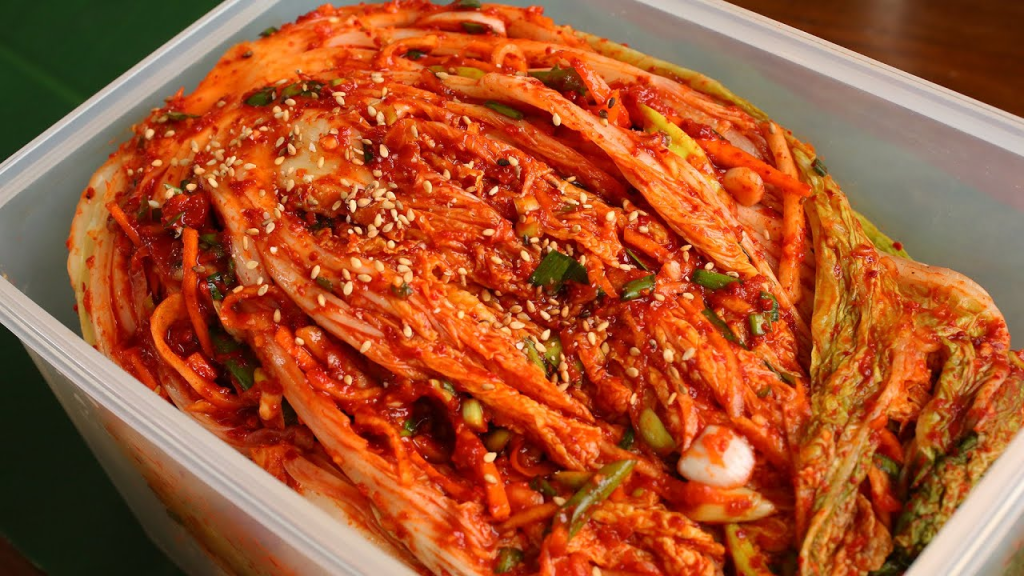
South Korea’s iconic kimchi is becoming a casualty of climate change, as rising temperatures threaten the quality and quantity of napa cabbage, the key ingredient in the popular dish. Napa cabbage thrives in cooler climates, traditionally grown in mountainous regions where summer temperatures rarely exceeded 25°C (77°F). However, warmer weather linked to climate change is now putting these crops at risk, leading scientists to warn that South Korea may one day be unable to grow napa cabbage at all.
Plant pathologist Lee Young-gyu explained that napa cabbage requires a narrow temperature range, ideally between 18°C and 21°C, to grow properly. As temperatures rise, farmers and kimchi producers are already experiencing issues in the fields, with cabbage hearts rotting and roots becoming mushy. Though kimchi can be made from other vegetables like radish and cucumber, cabbage-based kimchi remains the most popular. The intensifying heat poses a significant threat to this cultural and culinary staple, leaving the future of cabbage-based kimchi uncertain.
But just how essential is kimchi to Korean culture? Its roots trace back over 4,000 years, when it was originally fermented in salt to preserve vegetables for sustenance during harsh winters. What began as a practical means of survival has since transformed into a symbol of Korean identity. Today, kimchi is more than just a staple side dish; it’s a cornerstone of Korean cuisine and heritage, deeply ingrained in daily life. With the global rise of Korean culture—through K-pop, dramas, and food—kimchi has gained international fame, standing as an ambassador of Korean culinary tradition, loved for its distinct flavor and history.
Sources
 Energy Outlook
Leave a comment