By: Jacob Kim
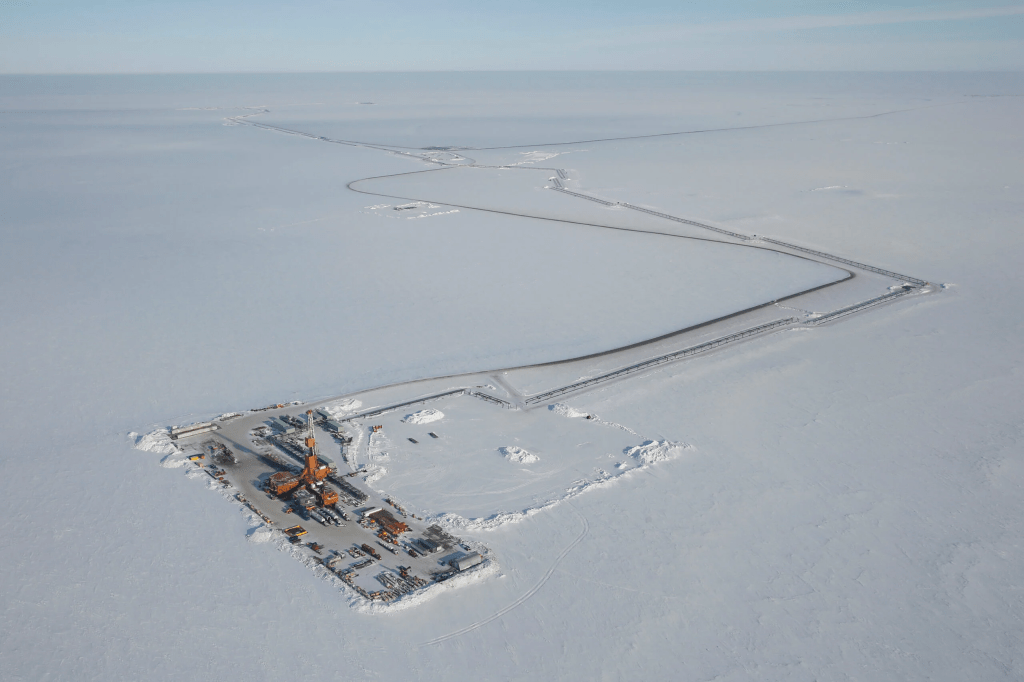
The recent decision to protect 28 million acres of Alaska’s public lands from oil drilling is more than just a policy win—it’s a moral imperative. As we face the realities of climate change and the undeniable impact of our actions on the planet, it’s time to seriously reconsider whether the U.S. should continue to frack and drill for oil.
Let’s be honest: the push to keep drilling and fracking is all about money. Jobs, energy independence, and economic growth are the buzzwords thrown around by industry proponents and politicians. And yes, for places like Alaska, where the economy is deeply tied to resource extraction, these activities have provided livelihoods and revenue. But at what cost?
We can’t keep pretending that the short-term economic benefits of drilling outweigh the long-term damage to our environment and communities. The lands in Alaska are not just empty spaces waiting to be exploited—they are the lifeblood of Indigenous cultures and crucial habitats for wildlife. For many Alaska Native peoples, the land isn’t just a resource; it’s part of who they are. It’s where they hunt, fish, and gather—their connection to their ancestors and their way of life.
And then there’s the planet itself. As climate change accelerates, the environmental costs of continued drilling are glaringly obvious. Alaska is already seeing the effects—collapsing snow crab populations, disrupted salmon runs, and melting permafrost are just the beginning. These aren’t just environmental issues; they’re signs of a system in crisis. And let’s not forget, the communities who suffer the most from these changes are often the ones who had the least to do with causing them in the first place.
The truth is, continuing to frack and drill isn’t just a bad idea—it’s reckless. We’re not just gambling with our environment; we’re betting against the future of our planet and the generations to come. The decision to protect these lands in Alaska should be a wake-up call. It’s a recognition that some places are simply too valuable to destroy for the sake of temporary profit.
We need to stop thinking about oil and gas as the only way forward. It’s time to invest in sustainable energy sources that won’t wreck the planet. We have the technology and the know-how to make this shift, but it requires a willingness to put long-term sustainability over short-term gains. The stakes are too high to do anything else.
So, should the U.S. continue to frack and drill for oil? No. It’s time to move on from these destructive practices and focus on building a future where we don’t have to choose between economic growth and the health of our planet. Protecting Alaska’s public lands is a step in the right direction, but it’s just the beginning. We owe it to ourselves, and to future generations, to do better.
Source
 Energy Outlook
Leave a comment