By: Jacob Kim
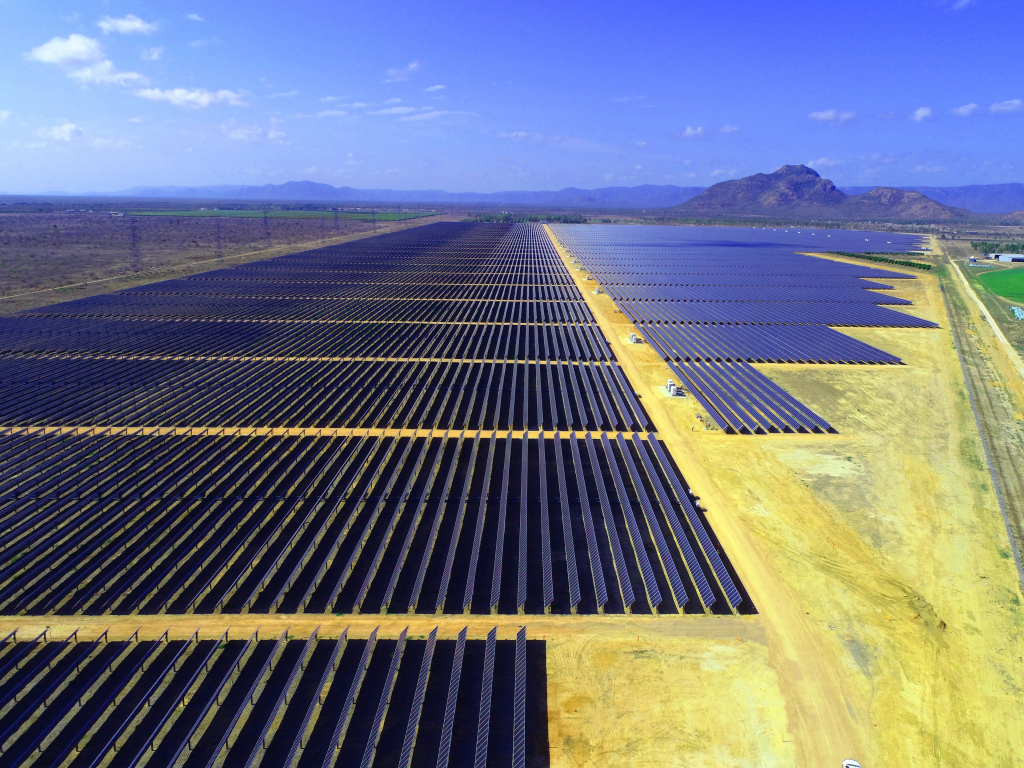
In a bold move towards a sustainable future, Singapore is set to receive up to 15% of its energy needs from an ambitious Australian solar project. The Australia-Asia Power Link, a $19 billion venture backed by tech billionaire Mike Cannon-Brookes, promises to reshape the city-state’s energy landscape. But as with any groundbreaking initiative, it comes with both exciting possibilities and notable challenges.
A Renewable Revolution
The project, slated for completion in the early 2030s, will harness the sun’s power from a massive 12,000-hectare solar farm in Australia’s Northern Territory. This green energy will then travel over 4,000 kilometers via undersea cables to power Singaporean homes and businesses.
For land-scarce Singapore, this represents a unique opportunity to significantly reduce its carbon footprint without sacrificing precious space. It’s a testament to the city-state’s commitment to sustainability and its willingness to embrace innovative solutions in the face of climate change.
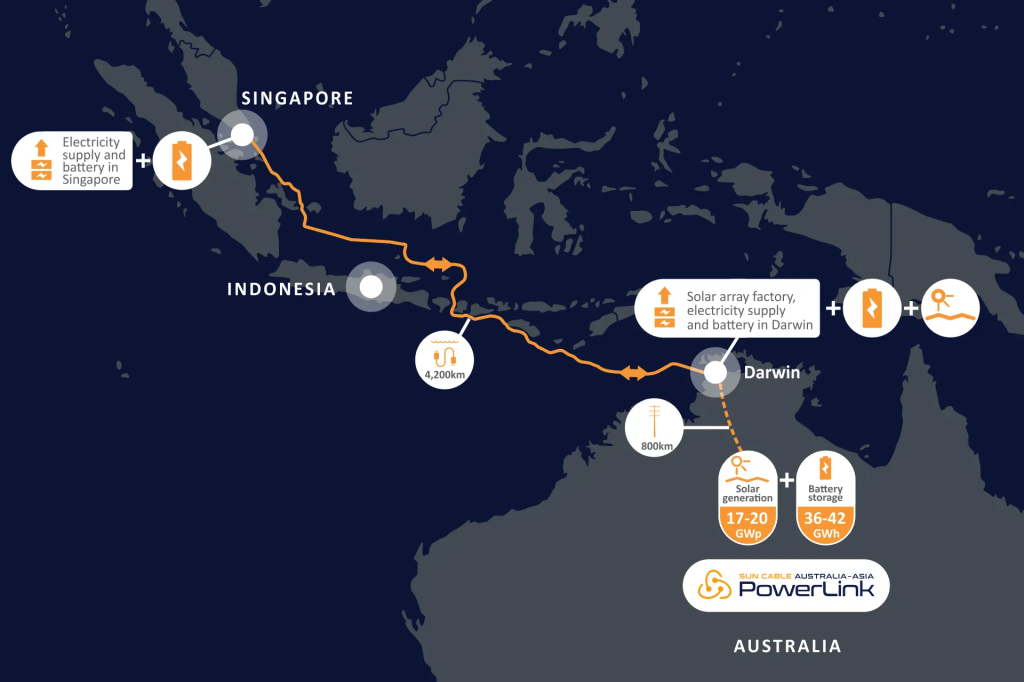
Economic Bright Spots
Beyond environmental benefits, the project could spark new economic opportunities. Singapore may see growth in green finance, renewable energy trading, and related technological innovations. By participating in this cutting-edge project, the nation also positions itself as a leader in adopting advanced renewable energy solutions in Southeast Asia.
Navigating Challenges
However, the path to this green future is not without obstacles. The project’s hefty price tag raises questions about the final cost of electricity for Singaporean consumers and businesses. There are also technical hurdles to overcome, as transmitting electricity over such vast distances via undersea cables is unprecedented.
Moreover, while the project diversifies Singapore’s energy mix, it creates a new form of energy dependence. Any disruptions to the undersea cable or political changes in Australia could impact Singapore’s energy supply. The city-state will need to carefully navigate these risks and consider how this long-term commitment aligns with its evolving energy needs.
Regulatory and Environmental Considerations
The project still faces regulatory approvals in Singapore and Indonesia, processes that could be complex and time-consuming. Environmental impacts, particularly on marine ecosystems due to the extensive undersea cables, will need to be thoroughly assessed.
Looking Ahead
As Singapore looks towards a greener future, the Australia-Asia Power Link represents both tremendous potential and significant challenges. It’s a project that could redefine renewable energy on a global scale, showcasing the power of international cooperation in addressing climate change.
Yet, its success will depend on careful planning, robust risk management, and continued technological innovation. As the project moves forward, all eyes will be on Singapore and Australia to see if this ambitious vision of cross-continental green energy can become a reality.
In the end, the Australia-Asia Power Link is more than just an energy project. It’s a bold statement about the future of renewable energy and a test case for solving global challenges through international collaboration. As the world grapples with the urgent need for sustainable solutions, Singapore’s green energy gambit may well light the way forward.
Sources
https://newatlas.com/energy/sun-cable-australia-singapore-solar-undersea-powerlink/
https://www.theguardian.com/environment/article/2024/aug/21/suncable-solar-farm-nt-approved
 Energy Outlook
Leave a comment