By: Jacob Kim
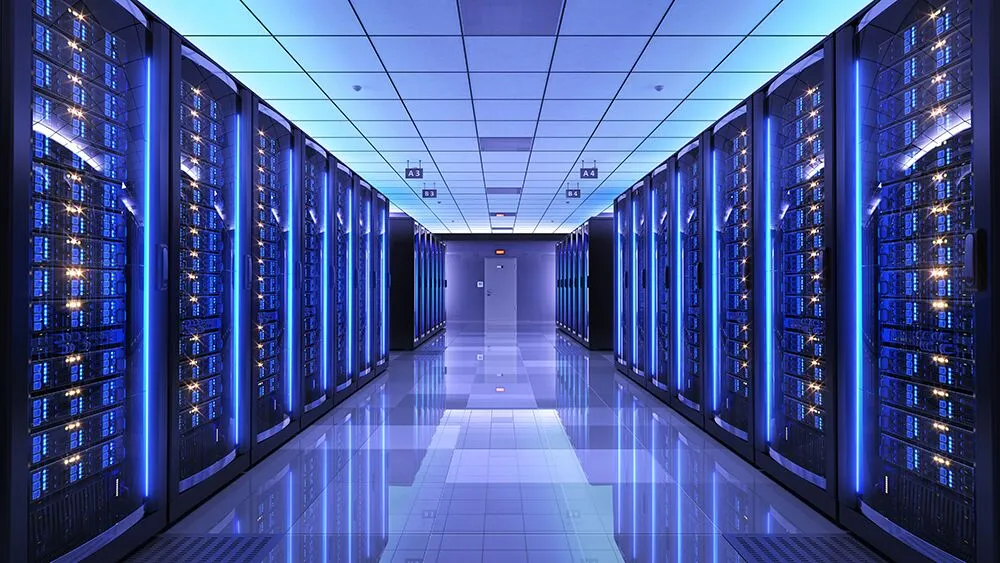
The increasing integration of nuclear energy by major tech corporations represents a significant shift in how energy is sourced and utilized in the age of data centers and technological innovation. Companies like Amazon Web Services (AWS), Google, and Microsoft are exploring partnerships with nuclear power plants to secure a steady, zero-carbon energy supply to meet the growing demands of their data centers.
Benefits:
Stable and Carbon-Free Energy Supply: Nuclear energy provides a constant and reliable source of carbon-free electricity, crucial for data centers that require massive and uninterrupted power. These partnerships help tech companies meet their sustainability goals while ensuring that their operations are not disrupted by grid instabilities. For instance, Amazon’s $650 million investment to connect its data center to the Susquehanna nuclear power plant in Pennsylvania exemplifies how these collaborations can help companies bypass the congested grid and directly access clean energy.
Economic Stability for Nuclear Industry: These collaborations could provide a lifeline for the nuclear industry, which has struggled economically in recent years due to competition from cheaper fossil fuels and renewable energy. By securing long-term agreements with tech giants, nuclear power plants can ensure stable revenues, which might help sustain operations and prevent further closures of nuclear facilities.
Support for High-Tech Expansion: The tech industry’s rapid expansion, especially in artificial intelligence and cloud computing, demands vast amounts of electricity. By collaborating with nuclear plants, data centers can quickly get online and expand without the delays associated with new grid infrastructure projects. This accelerates the deployment of new technologies and bolsters U.S. competitiveness in the global tech landscape.
Concerns:
Potential Cost Shifts: Critics argue that these partnerships could increase costs for other electricity users. For example, if a nuclear plant diverts power to a data center, the cost of replacing that power on the grid might fall on consumers, leading to higher electricity bills. This issue is under scrutiny by the Federal Energy Regulatory Commission (FERC), which is concerned about the potential financial impact on ratepayers.
Grid Reliability and Emissions: There are fears that redirecting nuclear energy to data centers could reduce grid reliability. If nuclear power is taken off the grid to power a data center, the gap might be filled by fossil-fuel plants, leading to increased emissions. This contradicts the environmental goals that both tech companies and the nuclear industry aim to achieve.
Long-Term Viability: Some experts question whether these colocation deals are necessary given the financial improvements in the nuclear sector due to state incentives and federal tax credits. They argue that the nuclear industry may not need the support of data centers to remain viable and that these deals could divert essential zero-carbon resources from broader grid usage, hindering state clean energy goals.
Overall, while the use of nuclear energy by tech giants offers promising solutions for both industries, it also raises significant concerns about cost, grid reliability, and environmental impact. Careful consideration and regulation are needed to balance these benefits and risks as the trend continues to evolve. To learn more about the benefits and concerns of Nuclear Energy as a whole, check out our Toolkits page!
Sources
Announcing Helion’s fusion power purchase agreement with Microsoft
 Energy Outlook
Leave a comment