By: Jacob Kim
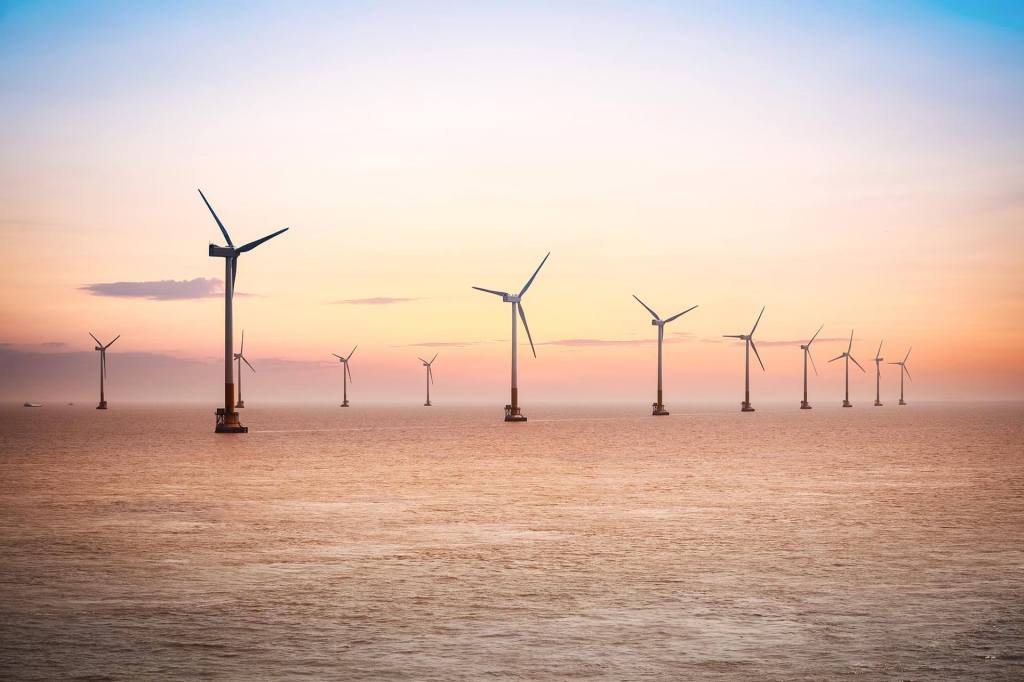
The recent surge in offshore wind energy in the United States represents a significant shift toward renewable energy, driven by ambitious federal goals and a desire to reduce greenhouse gas emissions. However, the path has been fraught with challenges, including past mistakes and ongoing political opposition.
Surge in Offshore Wind Development
The U.S. offshore wind sector has seen substantial growth recently, with new projects like South Fork Wind Farm and Vineyard Wind starting operations. These developments are part of a broader push to achieve the Biden administration’s target of deploying 30 gigawatts (GW) of offshore wind capacity by 2030, equivalent to about 30 nuclear plants. This goal is part of a larger strategy to reach net-zero greenhouse gas emissions by 2050. As of mid-2023, the U.S. offshore wind pipeline was estimated at nearly 52.7 GW, including projects in various stages of development.
Past Mistakes
The U.S. offshore wind industry has faced setbacks, particularly during Donald Trump’s presidency, when offshore wind development slowed significantly. Trump’s administration did not hold any offshore lease sales for federally owned waters, and environmental reviews ordered by his administration delayed or killed several projects. This period marked a significant loss of momentum for the industry, especially compared to the rapid expansion seen in Europe and China during the same timeframe.
Economic Future
Despite these setbacks, the economic potential of offshore wind in the U.S. remains robust. The Biden administration’s support, including $5 billion in federal loan guarantees, is intended to accelerate the industry. The growth of the U.S. offshore wind sector also aligns with global trends, where offshore wind is becoming an increasingly important part of the energy mix. Major oil companies like Shell and BP are investing heavily in offshore wind, recognizing its potential as a sustainable energy source. However, challenges remain, including the higher costs of offshore wind compared to onshore wind and other energy sources.
Trump’s Opposition
Donald Trump remains a vocal opponent of offshore wind, claiming it causes environmental harm—claims widely debunked by scientists. Should Trump return to office, his policies could once again impede the progress of offshore wind in the U.S. However, the industry’s current momentum, backed by strong federal support and significant investment from both public and private sectors, suggests that it might be difficult to stop this time.
Conclusion
While the offshore wind industry in the U.S. has had a turbulent history, its future looks promising if current policies and investments continue, despite potential political opposition. To learn more about the history, benefits, and future or Offshore wind energy, check out our Toolkits page!
Sources
https://www.cnn.com/2024/04/18/climate/offshore-wind-us-costs-inflation/index.html
 Energy Outlook
Leave a comment